World models
WorldPlay2 open-sources a playable world from a single image
New open weights turn one picture and a short prompt into a world you steer with a keyboard. It is a research release, but it shows how quickly interactive world models are becoming tools.
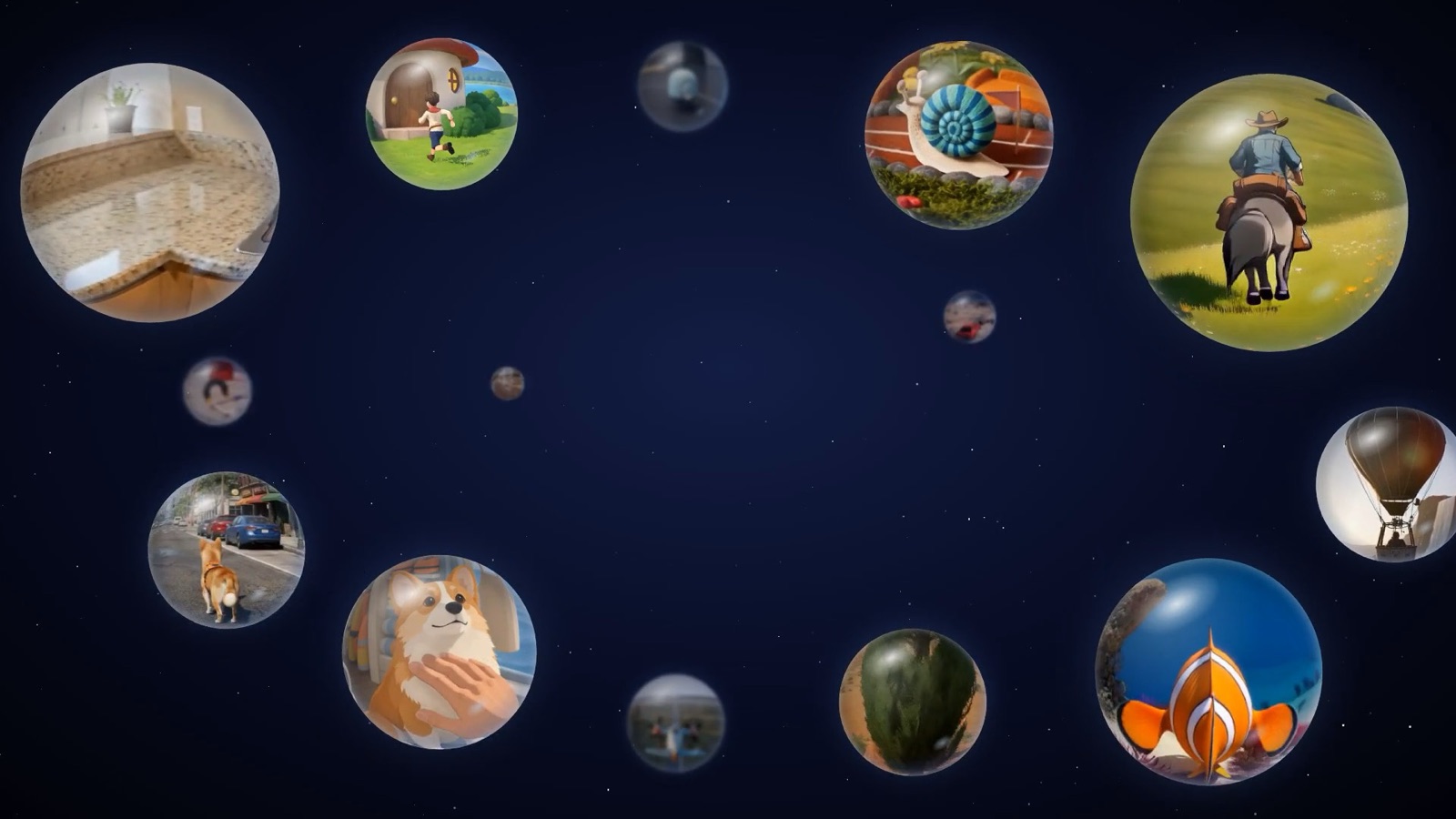
The WorldPlay2 team published model weights and inference code on 6 October, followed a day later by a hosted browser version. Give it one image and a short structured prompt and it streams a world you move through: WASD to walk, arrow keys to look, first or third person.
Three ideas worth stealing
The accompanying paper describes three parts, and each maps neatly onto a game-design problem:
- Factorised control. Camera and movement commands are kept separate from a caption split into scene, character and event. That means you can change the weather or a character’s action without resetting the whole world, which is exactly how a designer would want to direct a scene.
- Memory compression. Past frames are squeezed into compact tokens, so a long run stays affordable. This is what lets the world remember where things were when you turn around.
- Stable Forcing. A distillation recipe that makes the fast four-step model hold up over longer rollouts.
The catch
The licence is CC BY-NC 4.0, so no commercial use. The hosted build streams at around 17 frames per second on four datacentre GPUs and loads roughly 82 GB of weights; this is not running on a consumer graphics card any time soon.
Our take
Scene, character and event as separate controls is the right grammar for generative play, and it echoes how we structure worlds in Montage: canon you author, characters with their own state, events that move the story. Open research like this shortens the distance between a demo and a production tool.