Image models
Krea 3 technical report: image editing in 8 seconds at 2K
Krea has published the technical report for Krea 3, its image-to-image model. It says most edits finish within 8 seconds at native 2K, several times faster than rival editors, at $0.06 an image.
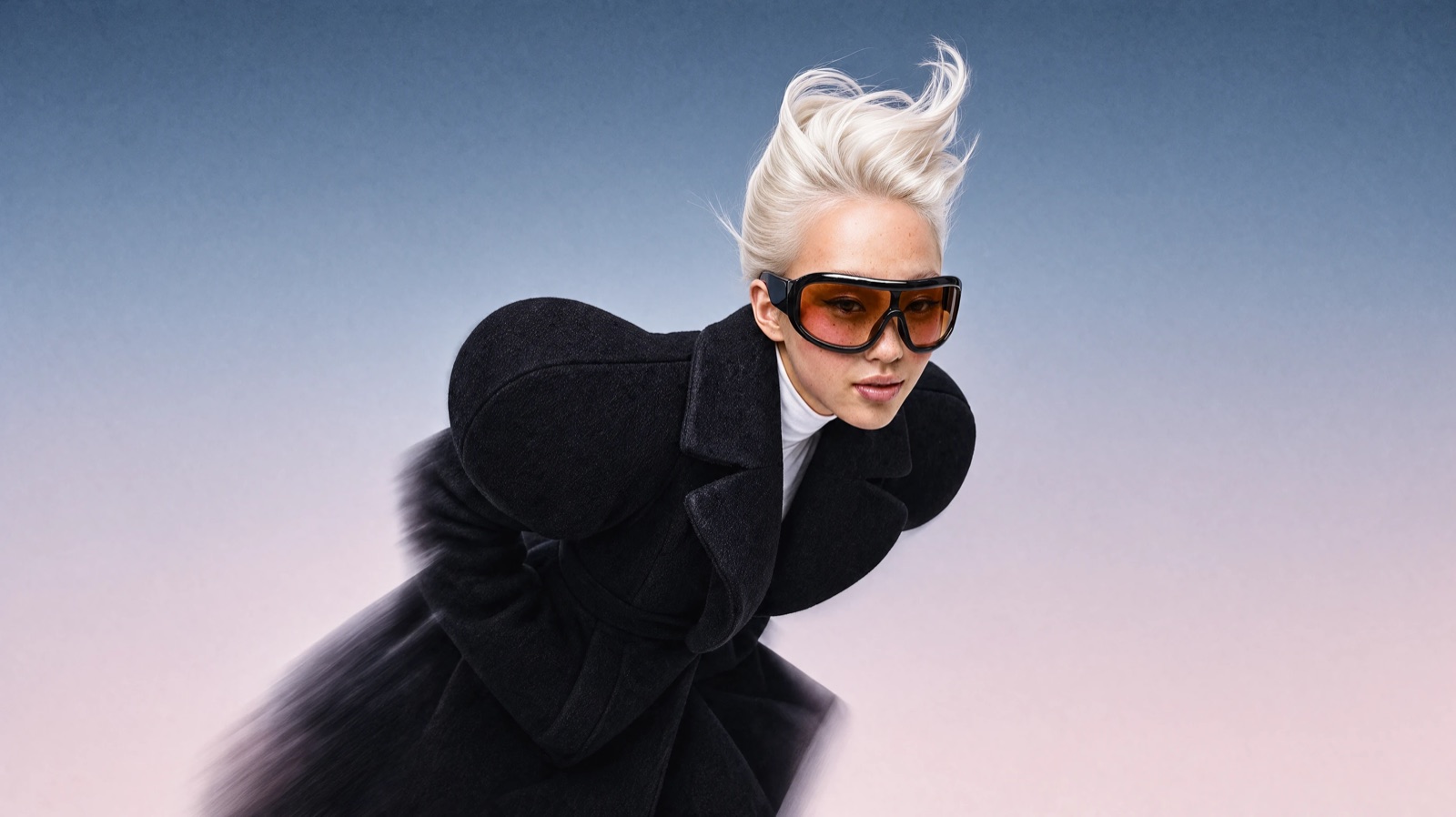
Krea has published the technical report for Krea 3, the image-to-image model it released on 15 October. The report, dated 3 November, sets out how the model was trained and gives Krea’s own speed and cost comparisons.
What Krea 3 does
Krea 3 generates images from text and edits existing ones from plain-language instructions. Krea says it keeps characters, products and text consistent across edits and leaves the rest of the picture alone when you change one part. The technical report says it can combine up to 8 reference images in one generation; the launch post says up to 6 per edit, so check the limit for the endpoint you use.
Output is native 2K. Krea 3 is the default image model in the Krea app, and the company has listed it on fal, Hedra, Together AI, Nous Research, OpenRouter and Replicate. A Krea 3 Ultra tier is available on Max plans and above.
The numbers
- Speed: Krea says edits finish within 8 seconds in production. In its measurements through the fal API (one reference, 2K output), it puts Nano Banana Pro at 22.3 seconds, FLUX 3 Image at 41.1 and GPT Image 2.5 at about 90.
- Price: $0.06 an image at 2K and $0.03 at 1K on krea.ai. For 100,000 edits a month, Krea’s figures are $8,000 for Krea 3 (Fast) against $15,000 for Nano Banana Pro.
- Quality: Krea reports that Krea 3 Ultra debuted at fourth place on the image-editing leaderboards of Arena.ai, Artificial Analysis and Design Arena. Three GPT Image models ranked above it on most of them.
All comparisons are Krea’s own, and the speed figures depend on Krea’s traffic and settings.
How it was built
The architecture is deliberately standard: a diffusion transformer that takes reference images as extra clean tokens, with a vision-language model reading the instruction. Krea says the work is in training and data.
It describes training on native 2K images, with references and targets sampled at different resolutions, plus a noise schedule weighted towards the high-noise steps, where it found most of the image’s structure is decided. It credits the move to 2K for better text rendering. After that come reinforcement learning with an agentic reward harness, preference optimisation and inference tuning.
Limits
Krea’s report covers editing and consistency, not video or interactive scenes. Open weights are not mentioned; access is through the Krea app and API and its partners.
Our take
For anyone building interactive worlds, the useful part is speed and consistency. A game that generates art at runtime, such as a portrait for a new character or a prop that matches the scene, needs an edit that returns in seconds and keeps a face recognisable. Eight seconds is still too slow for a live frame, but it works for assets generated between scenes. We cover that split between pre-generated and live content in AI models as game generators.