Image models
Qwen-Image 2.1 Lightning v2 RL: image generation in four steps
LightX2V has released a reinforcement-learning-refined version of its Lightning model for Qwen-Image 2.1. It generates and edits images in 4 denoising steps instead of 40.
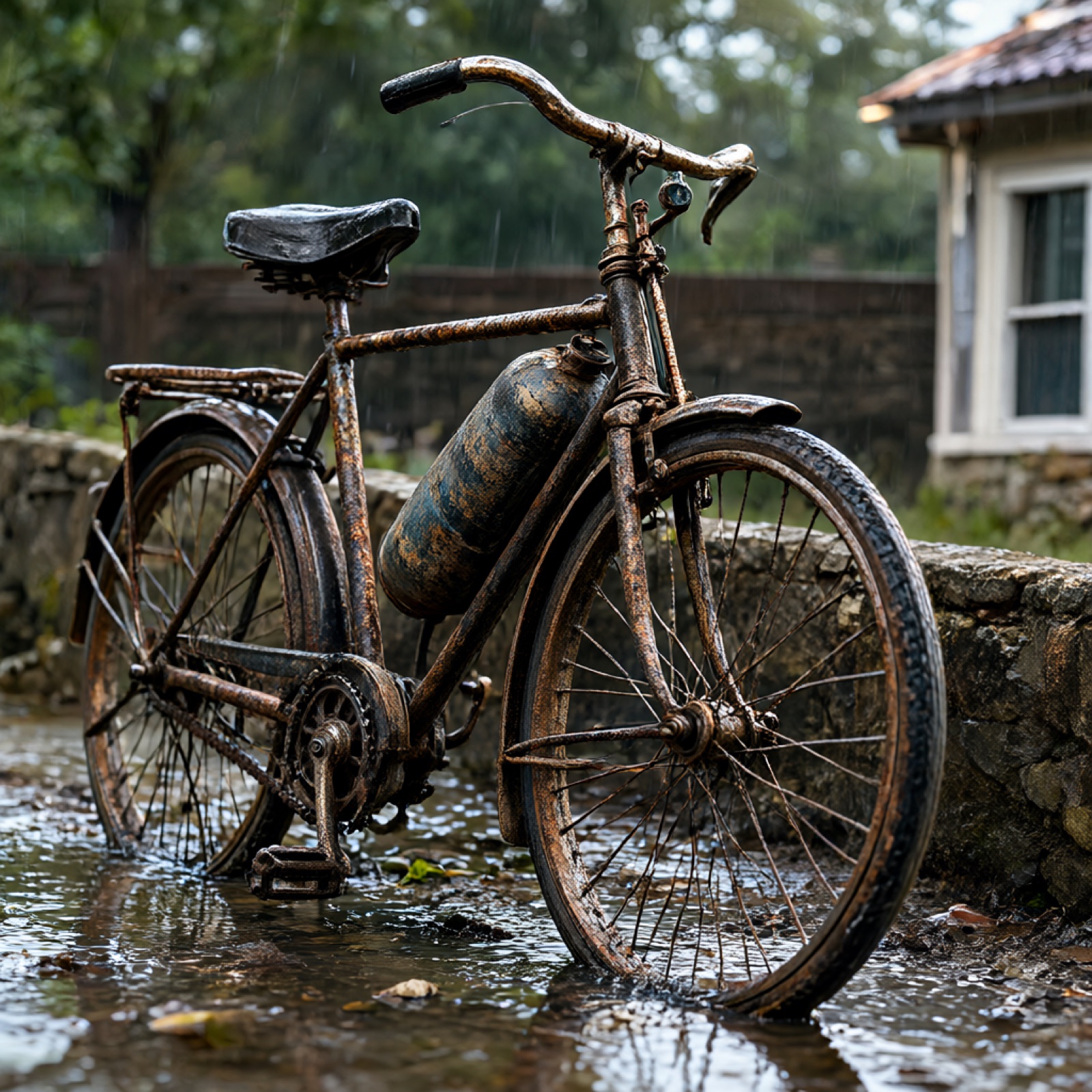
On 2 November, the LightX2V team published Qwen-Image-2.1-Lightning-v2-RL, a distilled and reinforcement-learning-refined version of Alibaba’s Qwen-Image 2.1. It does text-to-image generation, single-reference editing and multi-reference generation in four denoising steps with guidance fixed at 1.0. The original model’s comparison runs use 40 steps.
What it does
The model handles three jobs with one set of weights:
- text-to-image;
- editing from a single reference image (for example changing a jacket’s colour while preserving the face, pose and scene);
- multi-reference generation, where you pass several images in the order the prompt uses them, such as a person from one and a jacket from another.
“RL” refers to the extra training stage. LightX2V says it refined its earlier Lightning v2 with its own reinforcement-learning code, so the model learns from scored outputs instead of only copying a teacher.
Access and numbers
This is an open release on Hugging Face. It ships the full transformer as a single safetensors file (stored in FP32, loaded in BF16), not a LoRA, so you swap it into the original Qwen-Image 2.1 pipeline and keep that model’s text encoder and VAE. The repository also includes a rank-64 four-step LoRA file. It needs a recent development build of Diffusers that supports QwenImage21Pipeline, and the card stresses using its exact four-value sigma schedule; setting only four steps does not reproduce it.
The card’s examples are 1024×1024, and other sizes need dimensions that are multiples of 32. LightX2V shows side-by-side comparisons with the 40-step original on text-to-image, single-reference and multi-reference tasks. These are selected examples from its own validation runs, not a benchmark, and the card gives no timing figures.
Limits and licence
LightX2V notes that quality varies with prompt and seed, and that fine text, anatomy, object counts and precise reference preservation may still need checking. The licence is listed as “qwen-research” and links to the Qwen-Image 2.1 licence, so check its terms before commercial use.
Our take
Cutting 40 steps to four matters most where images are made at runtime. A game that generates a portrait, a prop or a location card while you play cannot wait for a slow sampler, and multi-reference input is how a character stays recognisable across pictures. Speed alone does not give you consistency or memory, but it makes live use affordable. We look at that shift in intelligent NPCs.