Fish Audio Live 3: a full-duplex voice model with 186 ms replies
Fish Audio has released Live 3, a voice model that keeps listening while it speaks and can start a reply in as little as 186 milliseconds. It is available by API at $0.035 a minute, which makes natural turn-taking cheap enough to try in a talking character.

LTX API adds HDR, alpha mattes, reframing and 4K/8K upscaling
Lightricks has put four VFX tools from its open LTX video model on the LTX API: SDR to HDR, Alpha Gen mattes, Reframe and Upscale. They work on filmed footage as well as generated clips.

MiniMax H3-Image: 16-megapixel images with open weights
MiniMax has released H3-Image, a 33.1-billion-parameter image generation and editing model built on its H3 video model. It makes images of about 16 megapixels, takes up to 16 reference images and ships with open weights under a restricted licence.
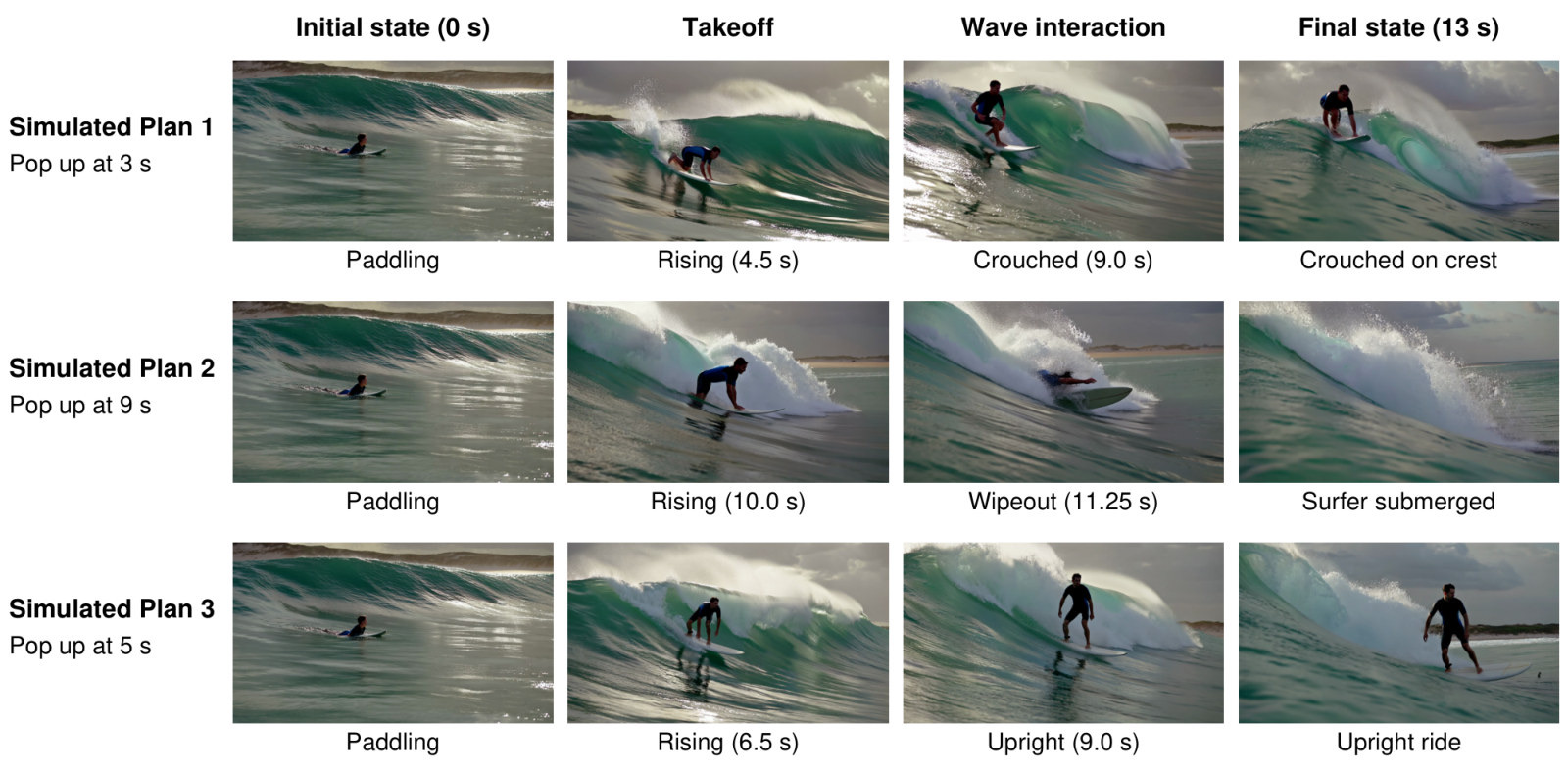
PAN 2: an open 29B world model that simulates what happens next
MBZUAI's Institute of Foundation Models has released PAN 2 under Apache 2.0, with weights and full training code. Give it a scene and an action in words and it simulates up to 20 seconds of what follows.

Nuplex 1.0: a full-duplex AI face that reacts while you talk
Nuance Labs has launched Nuplex 1.0, a full-duplex audiovisual model, with a video persona called Emma and a beta API. It listens and talks at once, and nods, smiles and looks away while you are still speaking.

Seedream 5.5: native transparent images and 100-round editing
ByteDance Seed's Seedream 5.5 generates images with a real alpha channel and keeps unedited areas intact across up to 100 successive edits. For game artists, that means cut-out assets without a background-removal step.

Shizuku-Duplex: a full-duplex voice model for Japanese
Shizuku AI Labs has built a voice model that listens and speaks in 80 ms steps, backs off when interrupted and answers in about 0.57 seconds. Apart from OpenAI's GPT-Live, it is the first full-duplex model that can hold an intelligent conversation in Japanese, and a useful template for talking NPCs.

World model vs LLM: what each predicts, and why games need both
A large language model predicts the next word. A world model predicts the next moment of a scene. Here is how they differ, where each one fails, and why interactive worlds will use both.
MOSS-Live: full-duplex voice that keeps talking while tools run
OpenMOSS has launched MOSS-Live, a real-time system that listens while it speaks, tells a pause or an "mm-hmm" from a real interruption, and runs tools in the background without halting the conversation.

25 Years to World Simulations
Cinema took about a century to mature and video games about fifty years. This report argues that Story Generators, counted from 2020, will cover the same ground in about twenty-five, arriving at full world simulations around 2045.
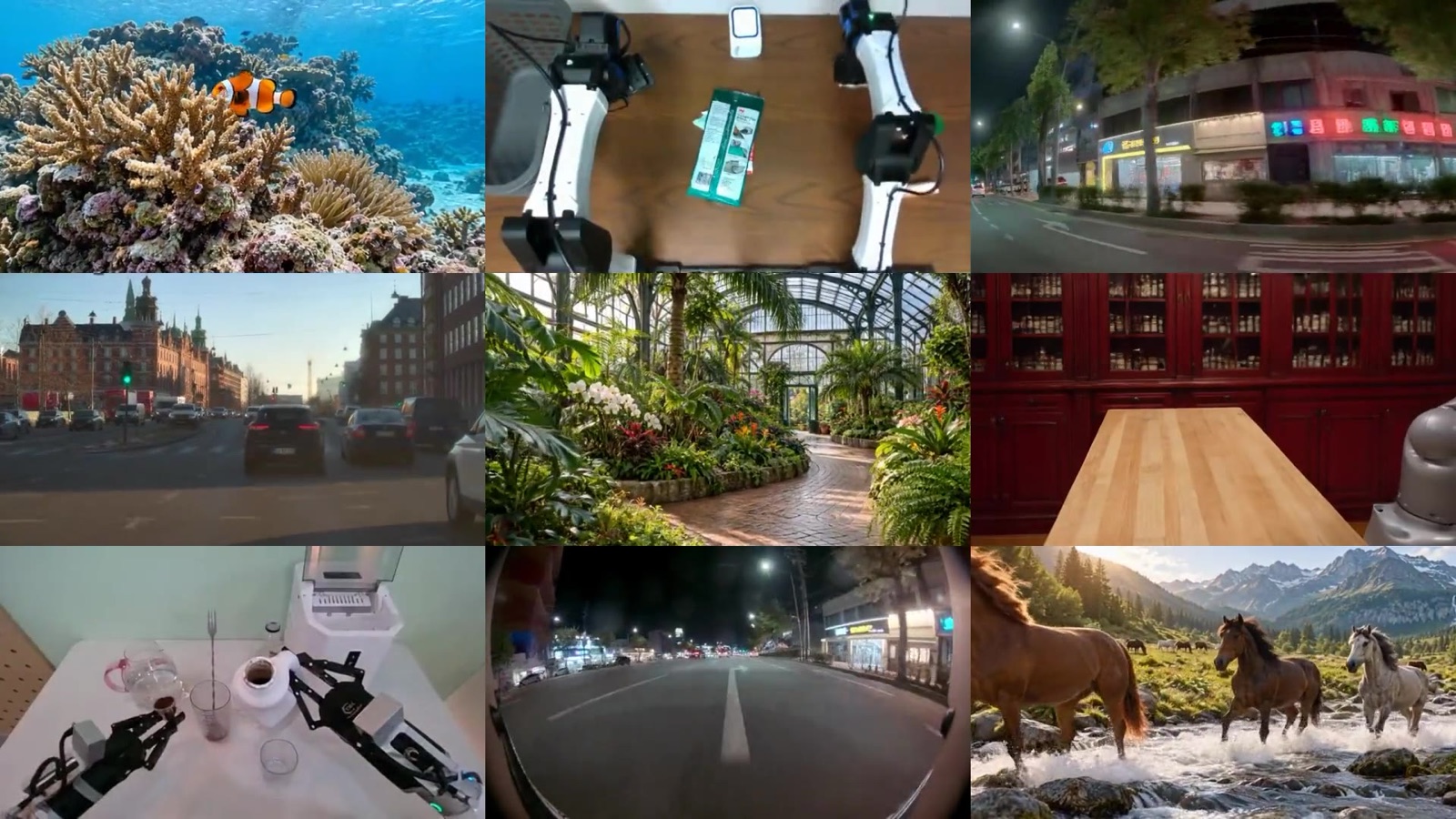
NVIDIA Cosmos 3 Sim: real-time interactive world models
NVIDIA has post-trained Cosmos 3 into three open streaming world models that respond to actions and spatial controls. The robot model runs at 48 frames a second at 480p on one GPU.

Decart Lucy 2.6: live video editing with reference images
Decart has released Lucy 2.6, a real-time video editing model that swaps characters, garments and objects in a live stream at 720p. It is the new default behind lucy-latest, at the same $0.02 per second as Lucy 2.5.

ElevenAgents Unity SDK: talking NPCs in a Unity scene
ElevenLabs has released a Unity SDK that connects a game scene to a voice agent, so players can speak to a character and hear it answer from the character's own position.
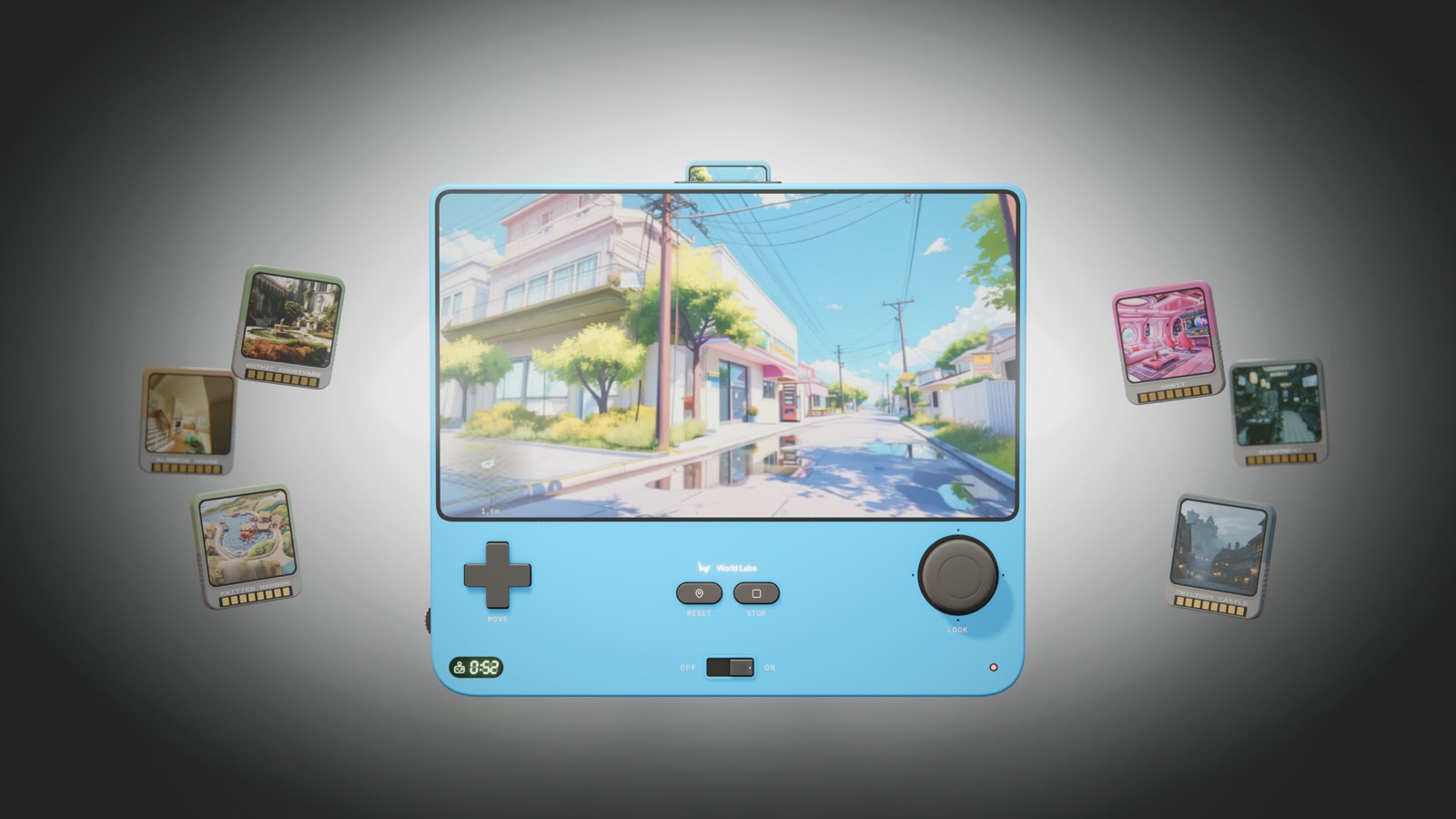
Frameboy: World Labs' Atlas now explores worlds in real time
World Labs has put its Atlas world model into a browser demo that streams generated frames at up to 15 fps as you steer the camera. It is a research preview that runs on cloud GPUs, and it shows how fast generated worlds are moving towards play.
Gemini Omni 1.2 Flash: 15-second AI video, 30% cheaper
Google's Gemini Omni 1.2 Flash makes clips up to 15 seconds, edits them turn by turn in conversation and costs $0.07 a second at 720p. It is now generally available on the Gemini API and Google Cloud.
Higgs Realtime Duplex: a voice model with its own live face
Boson AI has introduced Higgs Realtime Duplex, a 45B model that listens, watches and talks at once in 160 ms steps, renders its own face, and keeps working on tasks in the background.

Krea 3 technical report: image editing in 8 seconds at 2K
Krea has published the technical report for Krea 3, its image-to-image model. It says most edits finish within 8 seconds at native 2K, several times faster than rival editors, at $0.06 an image.

Kling, LTX and MiniMax video models arrive in Microsoft Foundry
Microsoft and fal have put Kling, LTX and MiniMax video models into Microsoft Foundry in public preview, as a first-party Azure service. Developers get text-to-video and image-to-video next to the rest of Azure's AI tools.
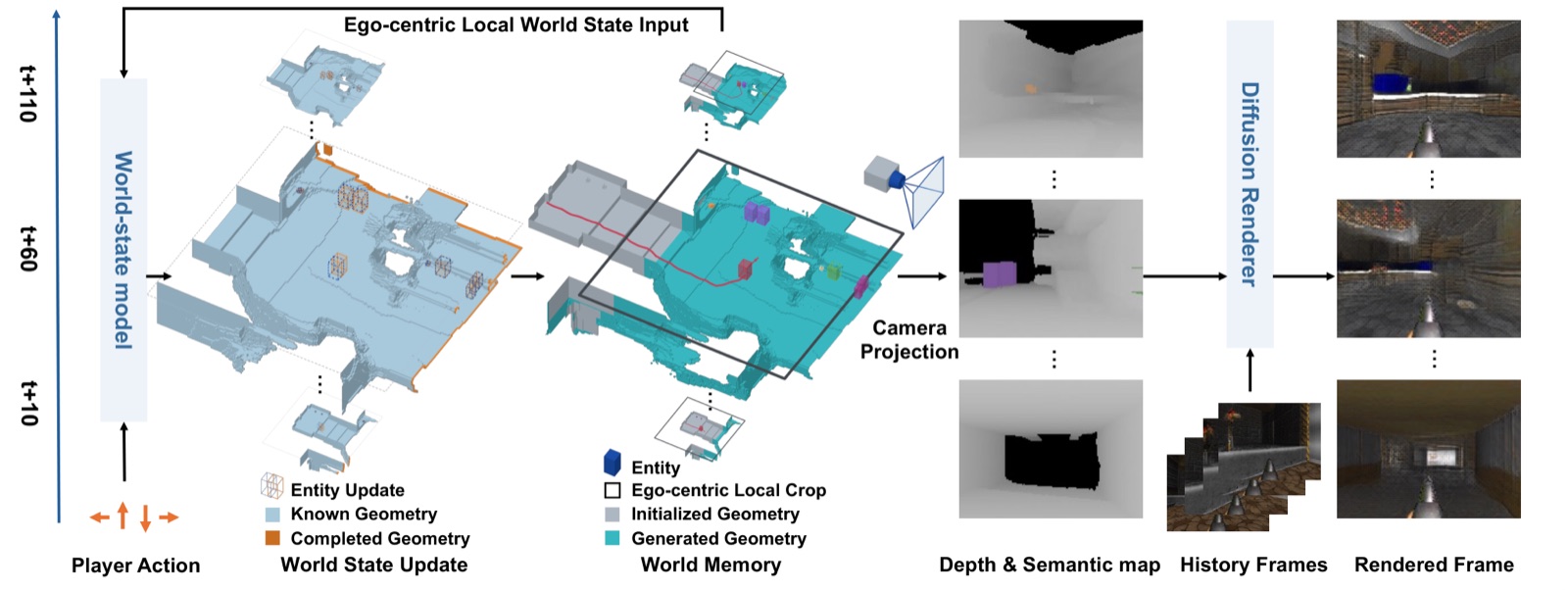
PlayGen2: a playable world model with explicit 3D state
PlayGen2 is a research world model that keeps a persistent 3D map of the game world and uses a separate neural renderer to draw it. Code and weights are public, and the Doom demo runs at about 160 ms backend latency on a MacBook Pro.

Sand3D: 106,094 3D objects written as Python programs
Sandflow has released Sand3D, an open dataset and library that describes 3D objects as short, named-part Python programs so language models can learn to build them, joints included.
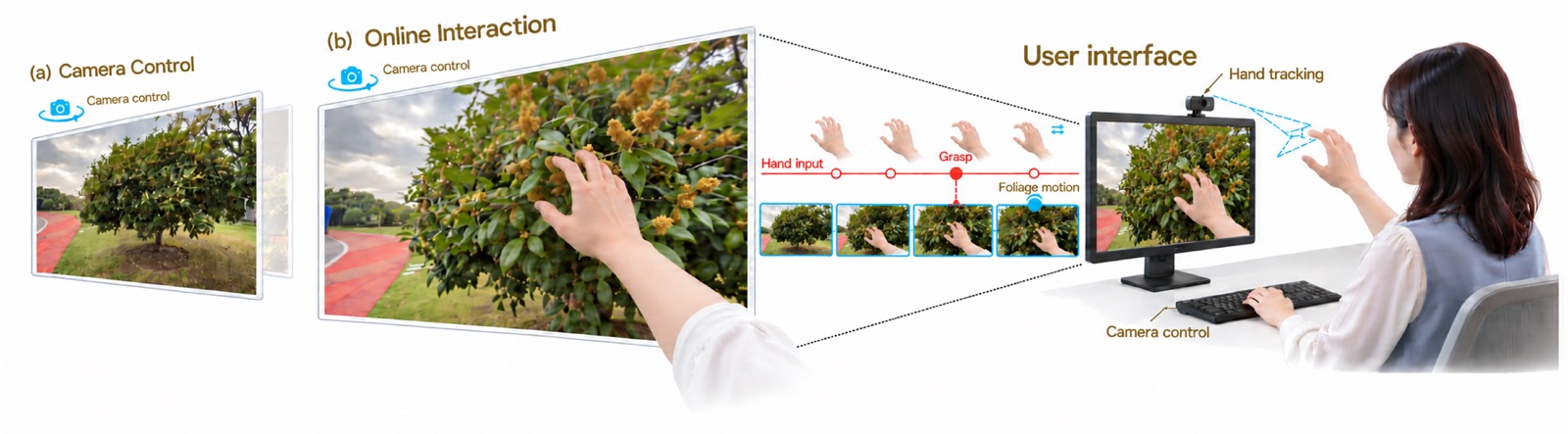
TouchéWorld: reaching into an AI world model with your hands
A new open research model adds live hand tracking to a camera-controlled video world model, so you can walk up to a tree and touch it while the scene keeps generating. Adapter weights and code are out; the full distilled model is not.
ElevenLabs SFX v3: multi-part sound effects from one prompt
ElevenLabs has released SFX v3, a sound effects model that follows prompts with several sounds in sequence more closely, and handles music and vocals better. It is available in the app and through the API.
Gemini 3.8 TTS voice remixing: new NPC voices from a prompt
Google has added voice remixing to Gemini 3.8 TTS. You describe a change to an existing voice, such as older, lower or with a British accent, and the API stores the result as a new reusable voice.

Kling 4.0 Flash opens to everyone: 20-second video via API
Kling has made its fast, lower-cost Kling 4.0 Flash model available to all users on the web and the API, plus MCP, CLI and plugins for Photoshop, Premiere Pro and After Effects. It follows the 30-second Kling 4.0 launched on 15 October.

LiveFoley: real-time sound for AI and game video
LiveFoley is a research model that generates synchronised sound effects from live video with a 0.08-second look-ahead. It is built to be a sound engine for games, AR/VR and world models whose own audio cannot be reused.

Luma Character Sheet: consistent characters from references
Luma's Character Sheet tool turns reference images or a written design into one multi-view sheet, and the same workflow now runs inside Claude through Luma's MCP connector. The aim is a character who stays the same across angles, outfits and scenes.

OpenAI Images 2.6: 50% faster images and animated GIFs
OpenAI's Images 2.6 generates images about 50% faster, adds two API models called Flare and Sunburst, and can animate characters and storyboards as GIFs. It is available in ChatGPT, Codex and the API.
Tencent Hy4: game-engine and Blender skills in a new model
Tencent has released Hy4, a large language model that can see images and operate software, trained on Blender and CAD and tuned for Unreal, Unity and Godot work. The API price is unchanged; the weights are promised in the coming days.

Viggle Remake: recast and re-shoot existing video with open LoRAs
Viggle has released Remake, a pair of LoRAs for MiniMax H3 that recast people, swap objects and change weather or setting in finished footage while keeping the original motion, camera and soundtrack.

What is an AI drama manager? How games decide what happens next
An AI drama manager is the system that shapes pacing and plot in an interactive story. Here is how it works, from Left 4 Dead's Director to language-model worlds.

Kimi game development suite: agents inside Unity, Unreal and Blender
Moonshot AI has launched a game development and creative work solution built on Kimi K3.1, with agents that edit Unity, Unreal Engine, Godot and Blender projects directly. In one demo it worked for 20 hours with no human intervention.

Luma MCP connector: a creative agent inside ChatGPT and Claude
Luma has connected its image and video tools to ChatGPT and Claude, so an assistant can restyle, relight and animate an asset in the same chat. Usage is charged to your Luma credits.
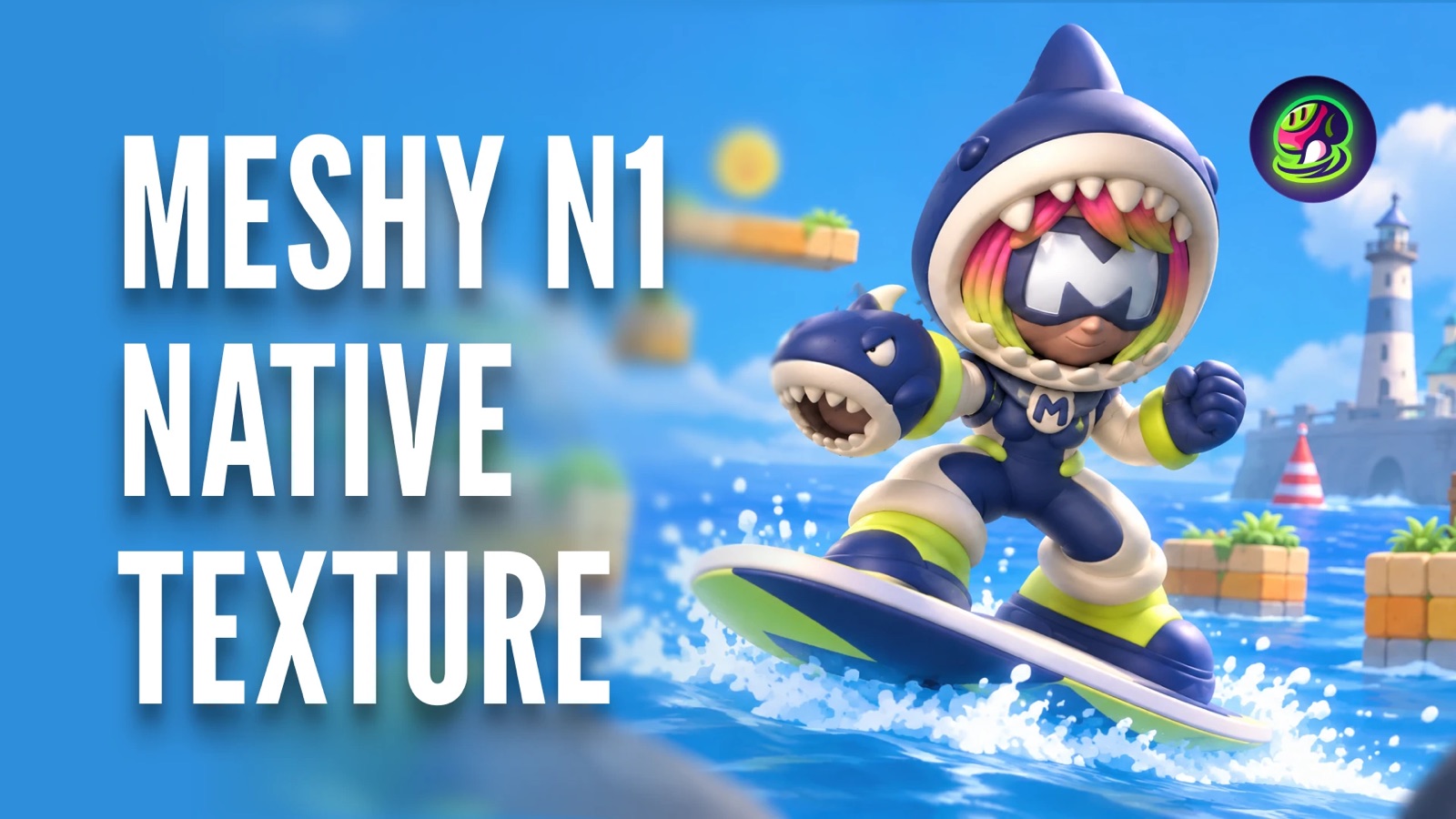
Meshy N1: native 3D texturing in 14 seconds
Meshy has released N1, a texturing model that generates colour directly on a 3D mesh instead of projecting 2D images onto it. The company reports cleaner textures and a median time of 14 seconds, against 68 to 237 seconds for the models it compared.
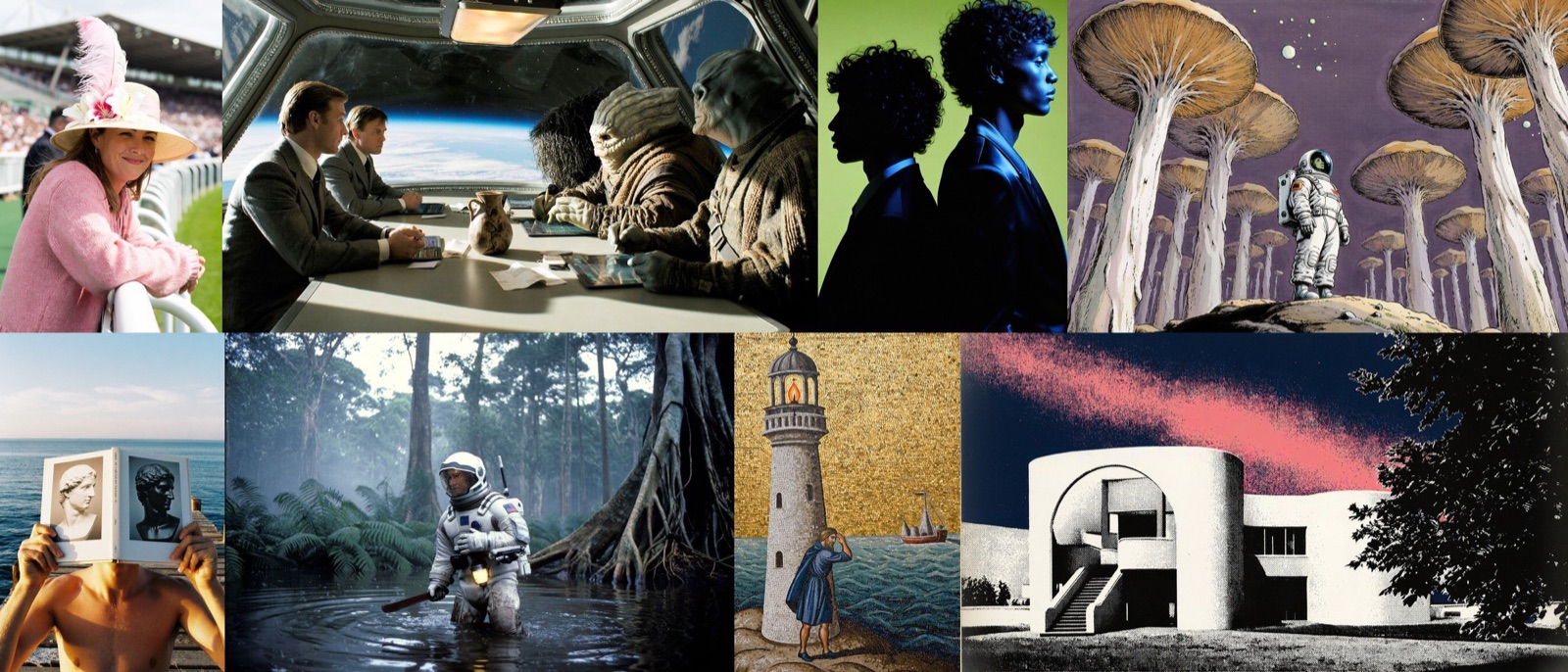
Pruna P-H3-Image: an open image model made from a video model
Pruna AI has open-sourced P-H3-Image, an image generation and editing model distilled from MiniMax H3. It is 7x smaller and 5x faster than H3, making a 4 MP image in 2.6 seconds on one B200.

Runway Characters: a 57B video model that talks in real time
Runway has published how it serves a roughly 57-billion-parameter video model fast enough for live conversation: 24 frames per second on four H100 GPUs, with a voice agent in the loop. It is a useful look at what real-time generated characters cost to run.
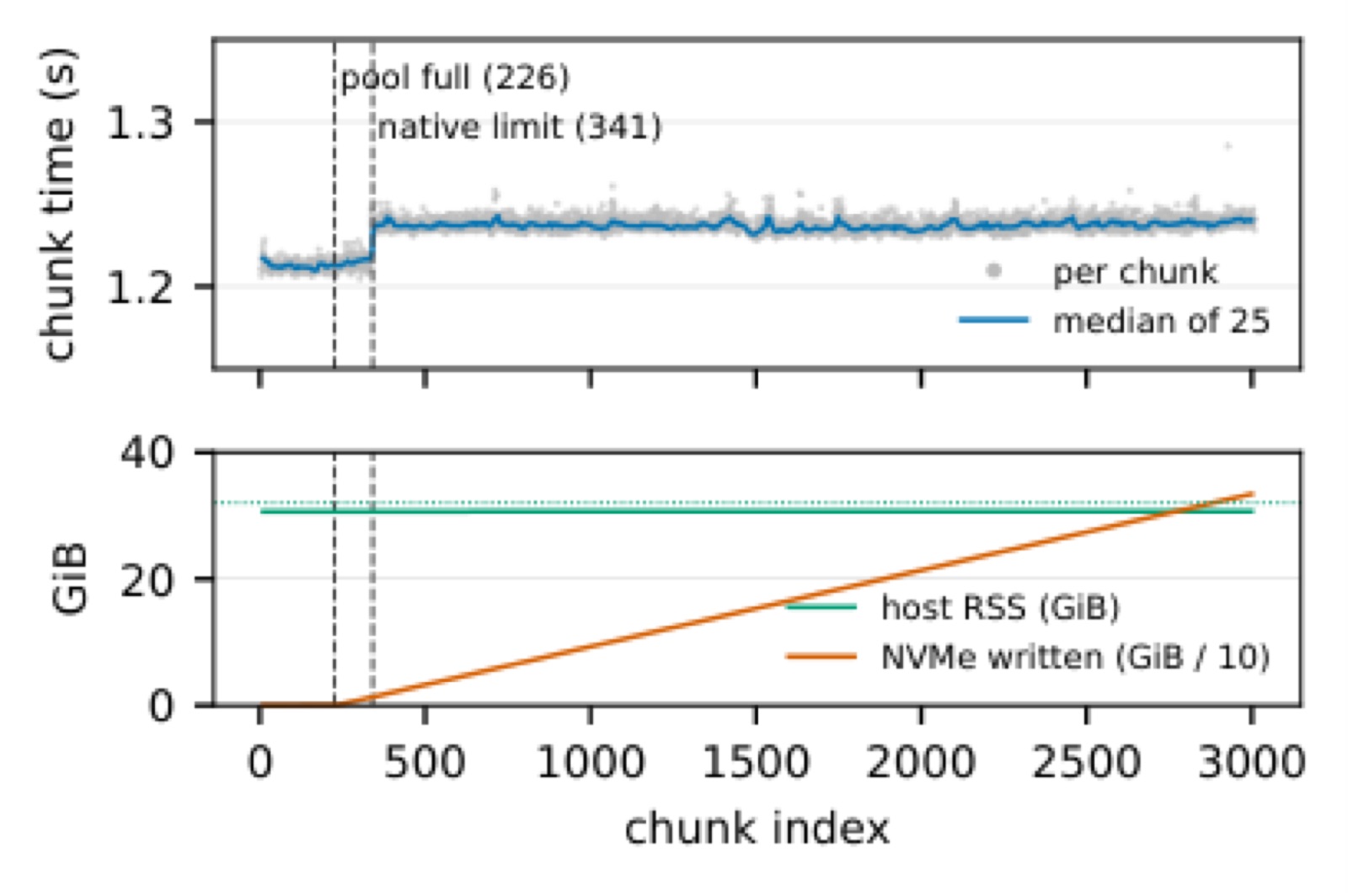
WorldPager: 37 minutes of world-model memory on one GPU
A Chengdu team has published WorldPager, a memory system that spills a world model's long-term memory onto an SSD. On one RTX 4090 it kept a Matrix-Game 2.0 session going for 37.5 minutes of video, up from 45 seconds.
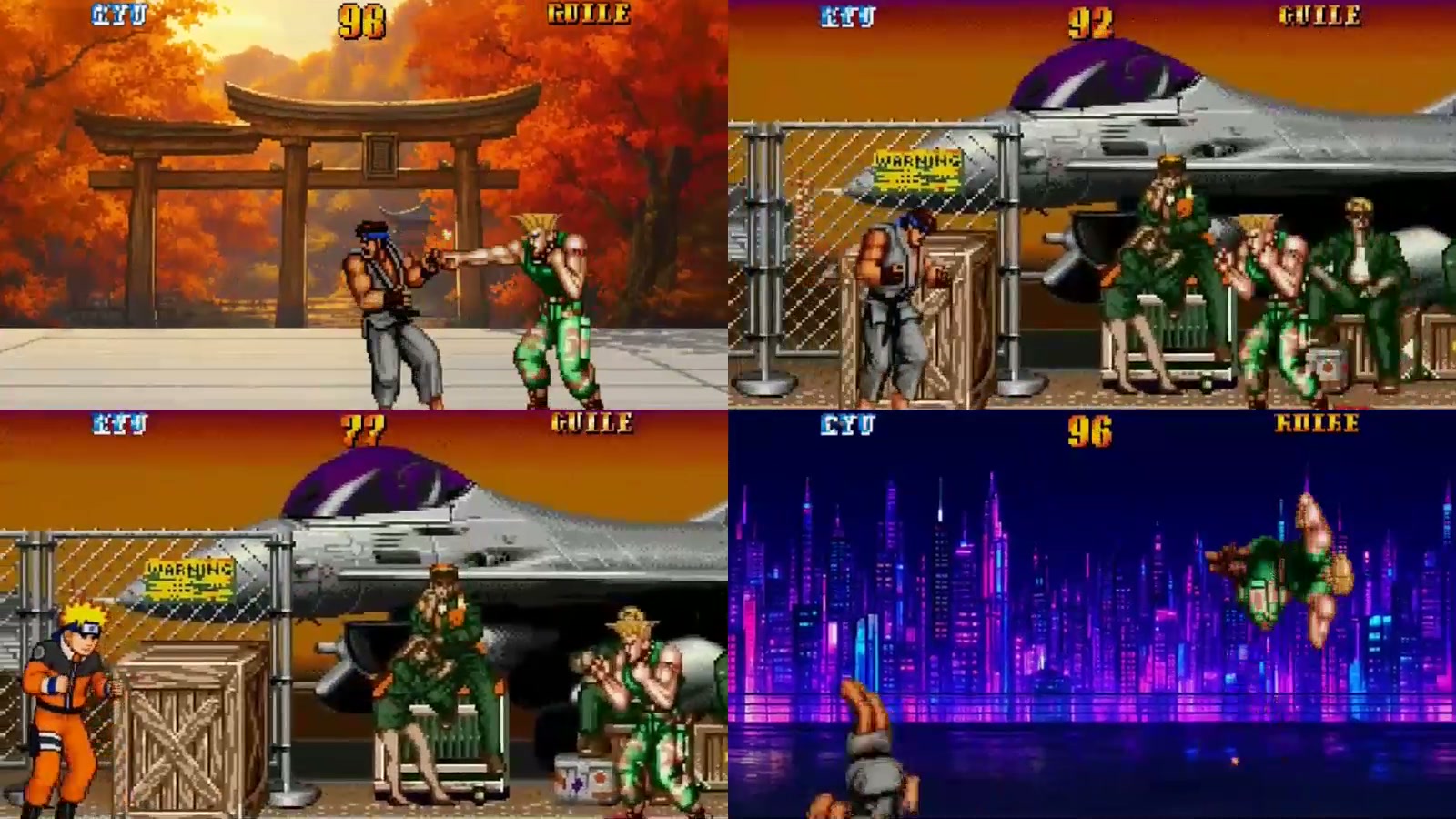
Fight World Model: game rules that drive a video model
Researchers from Oxford, Imperial, Tsinghua and NTU have published Fight World Model, which lets an ordinary game engine decide what happens in a fight and a video model draw it. The result is a generated game whose health bars and hit reactions follow editable rules.

Qwen-Image 2.1 Lightning v2 RL: image generation in four steps
LightX2V has released a reinforcement-learning-refined version of its Lightning model for Qwen-Image 2.1. It generates and edits images in 4 denoising steps instead of 40.
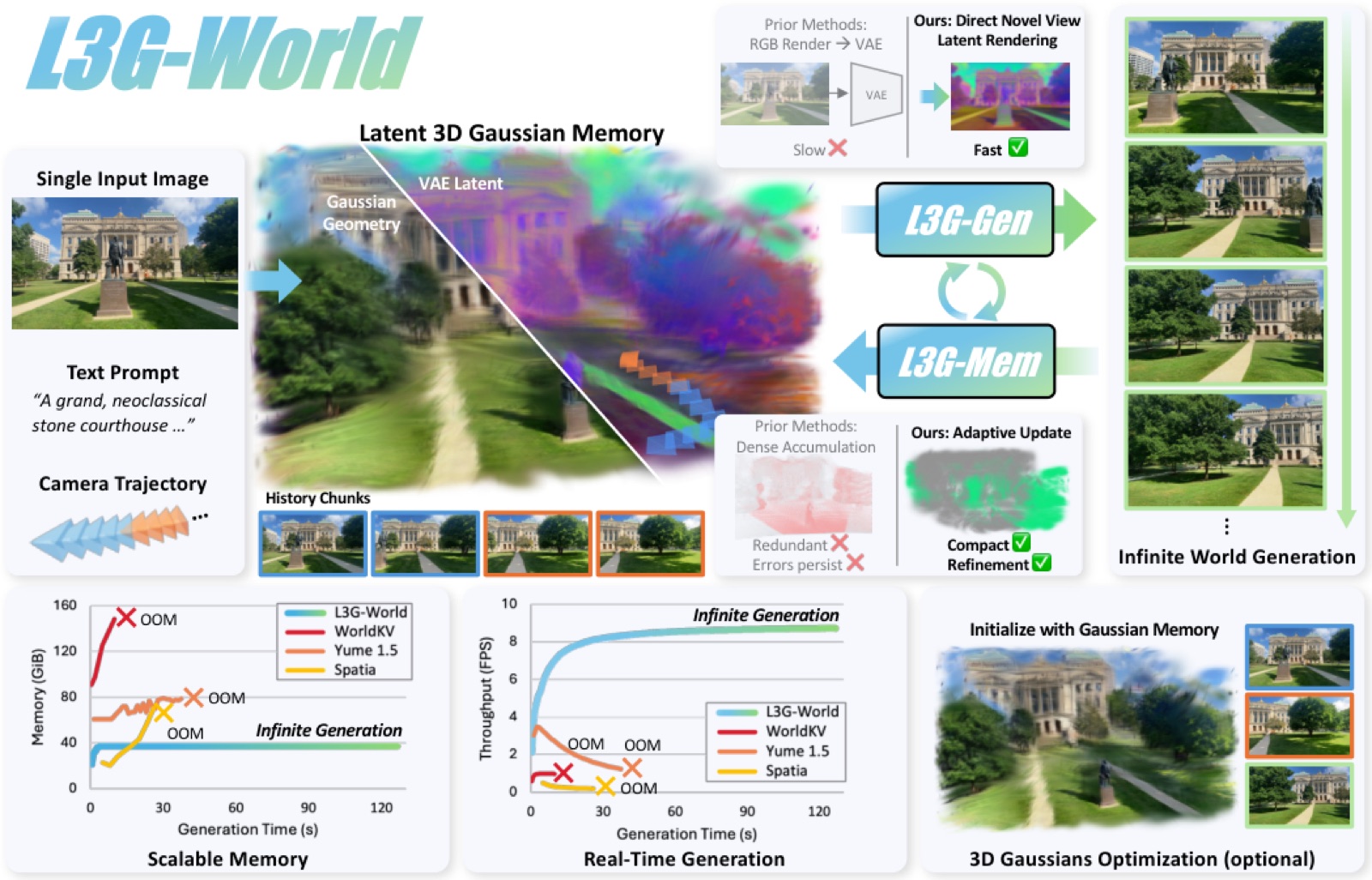
L3G-World: a compact 3D memory for real-time AI worlds
KAIST researchers have published L3G-World, a world model that keeps a small 3D memory of the places it has generated, so a scene stays consistent when you walk back to it. Its distilled variant runs at about 9 frames per second on one H100.

World model vs game engine: what each is actually for
A game engine computes a world by rules. A world model predicts one from examples. Here is what separates them, where each breaks, and why the strongest games will use both.

Atelico AI Engine: on-device NPCs with memory
Studio Atelico has opened Early Access to an engine that runs language models, speech, images and NPC behaviour on the player's own device, with plug-ins for Unity, Unreal and Godot.

AI narrative design: a new medium still waiting for its rules
The core loop already works. What nobody has built yet is the grammar: the conventions, structures and tools that turn a working trick into a medium. That is the job of AI narrative design now.

Wizard: a real-time game world model with agentic control
Researchers from Tencent, NUS and NTU have published Wizard, a world model that lets an agent track game rules while a video model draws the scene at 24 frames a second. It handles new characters and scenes without retraining.
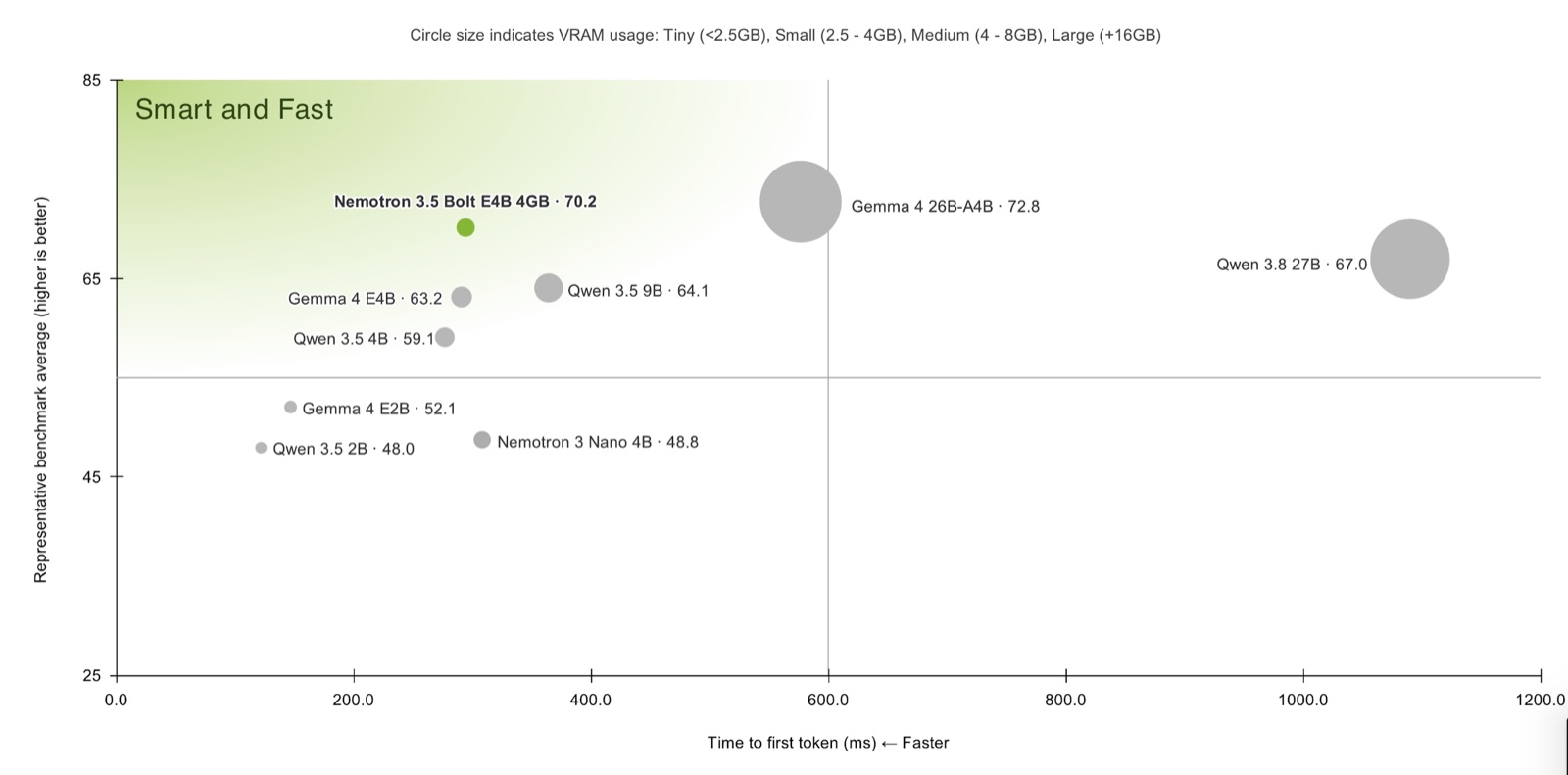
Nemotron 3.5 Bolt: a 4GB open model for on-device NPCs
NVIDIA has released Nemotron 3.5 Bolt E4B 4GB, an open small language model built for local game characters, voice assistants and robots. It fits in about 4GB of memory and is offered through NVIDIA's In-Game Inferencing SDK.
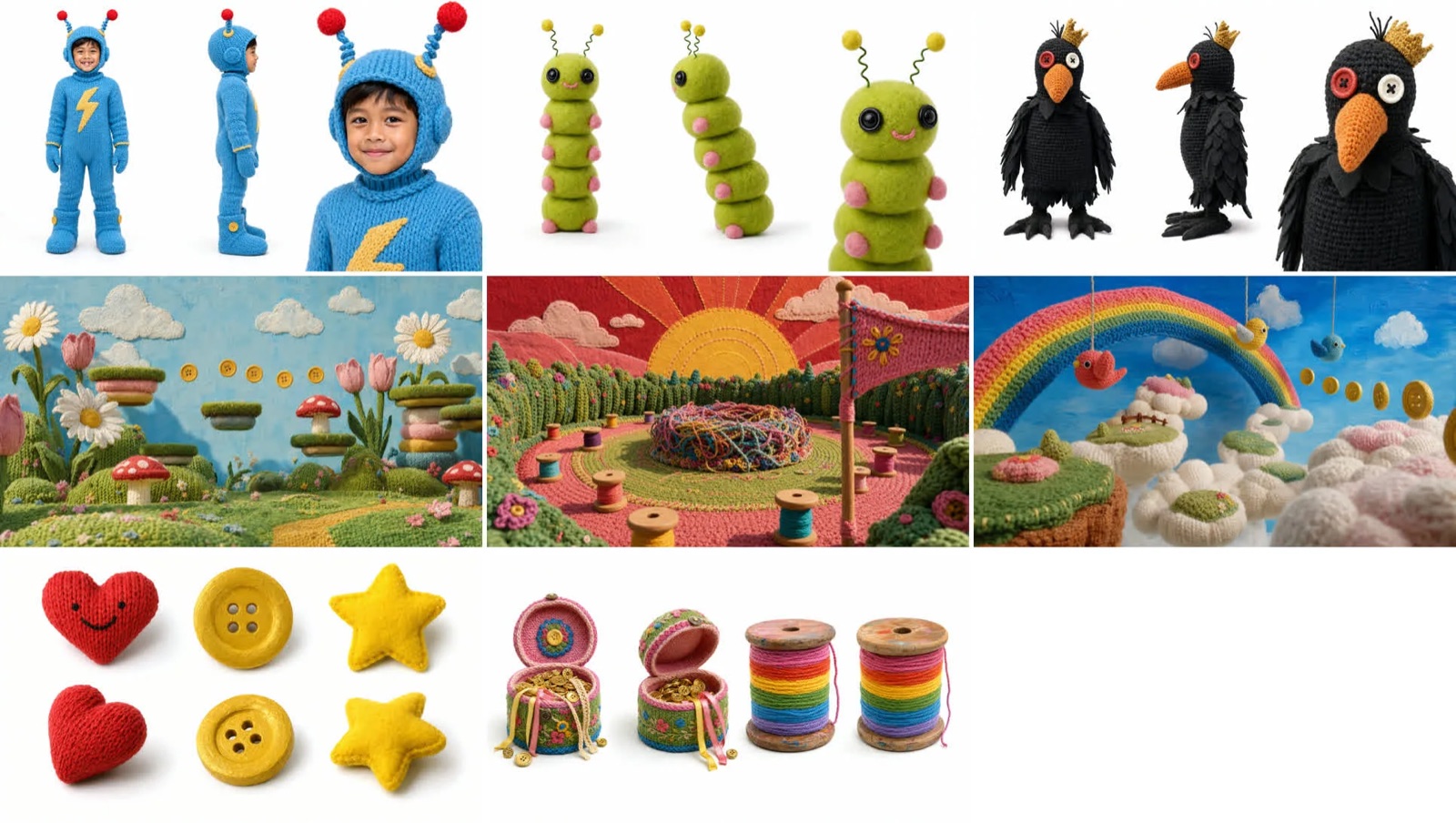
Pika H3 Flex: open-weights video and audio in six steps
Pika has released H3 Flex, a post-trained version of MiniMax H3 that makes up to 15 seconds of video with synchronised audio in six sampling steps and takes up to 12 reference files. The weights are on Hugging Face under the MiniMax H3 community licence.
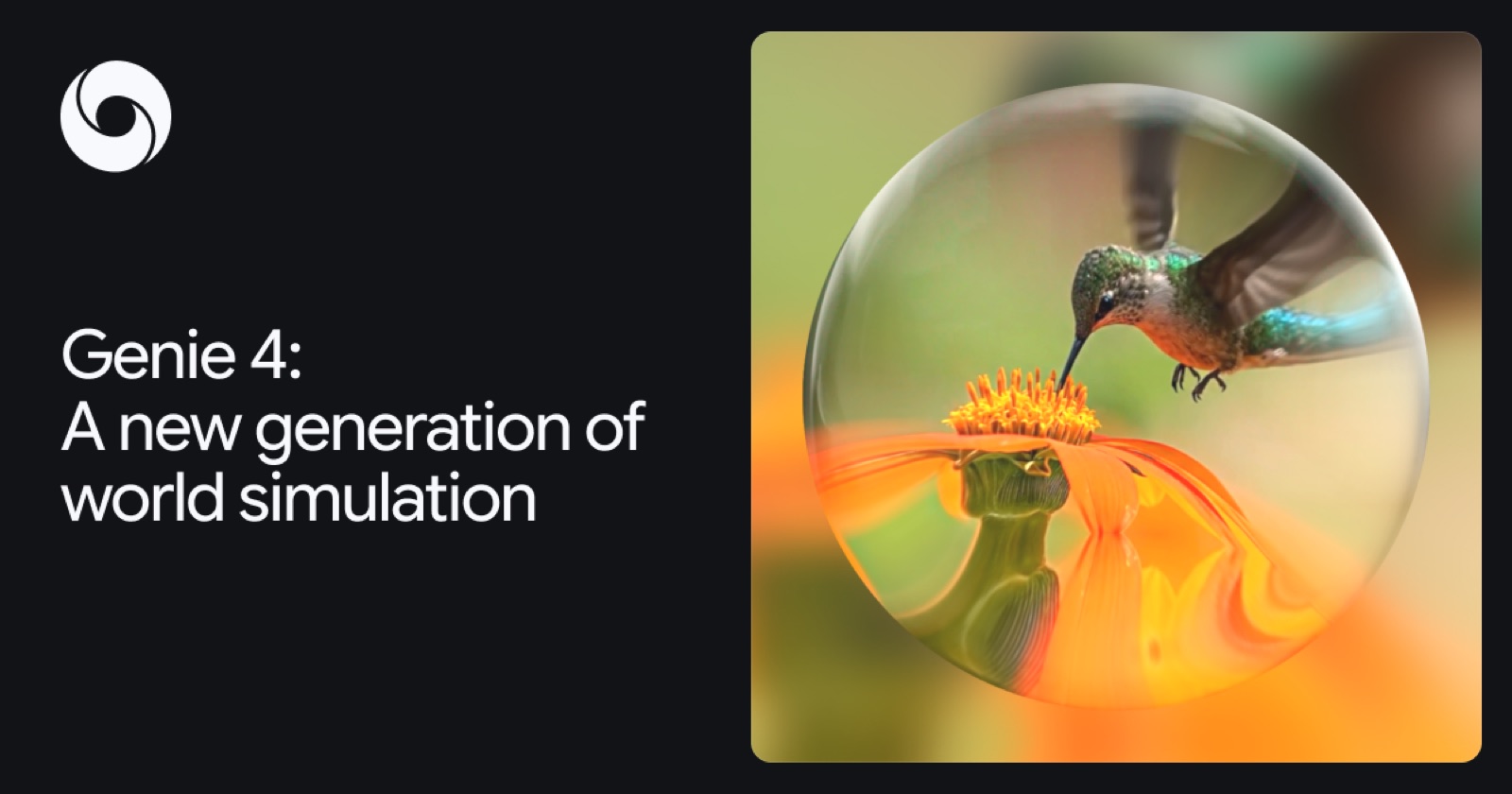
Genie 4 adds sound and speech to generated worlds
Google DeepMind has announced Genie 4, a real-time world model that generates ambient audio and interactive dialogue alongside the scene, with Gemini steering events as you play. It is a research preview for trusted testers.
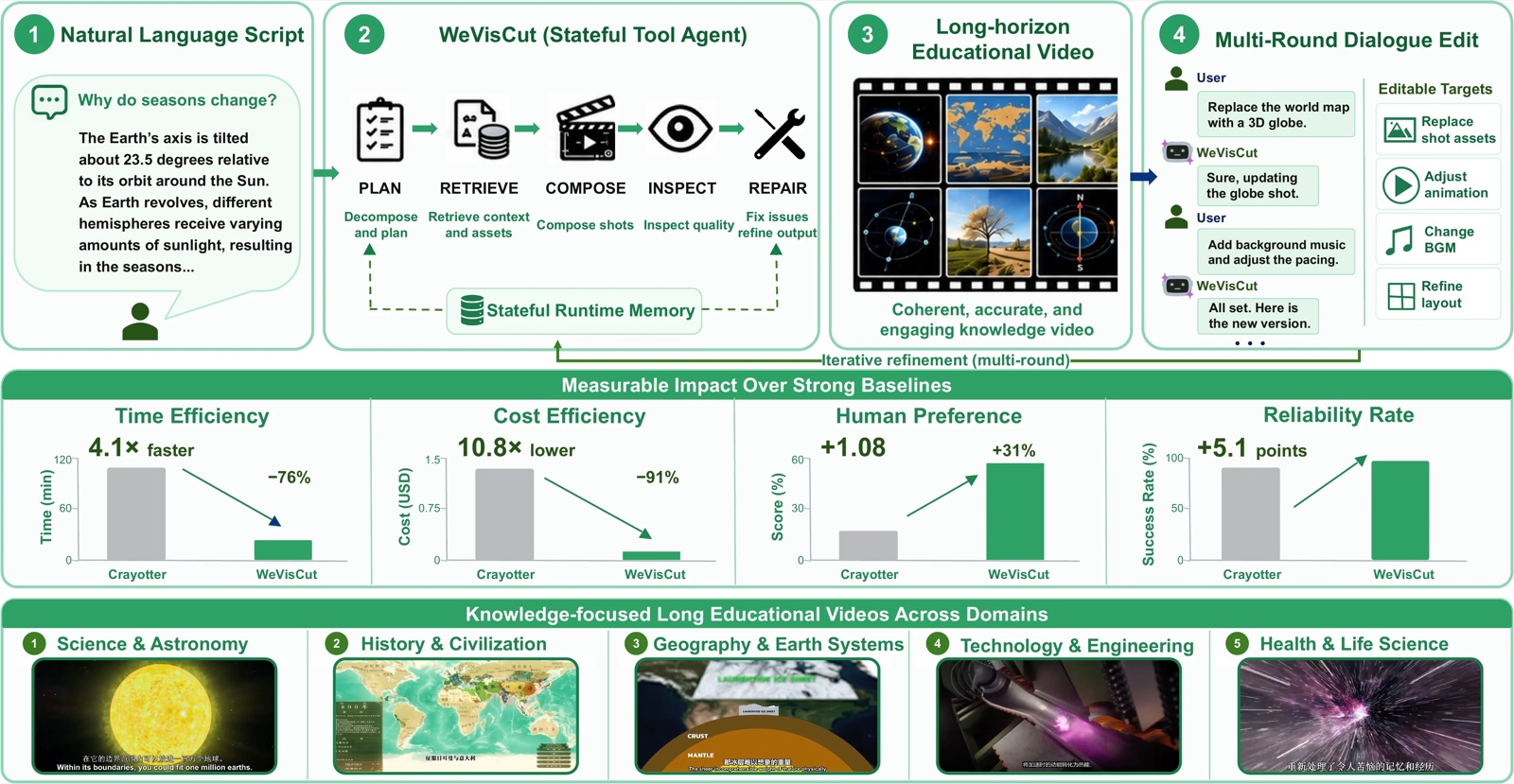
Tencent WeVisCut: a 9B agent that edits long videos
Tencent's WeVisCut is an open 9B-parameter agent that turns an article or narration script into a multi-minute edited video by calling 12 editing tools. It is not a text-to-video model, and it needs its own runtime.

Procedural generation vs generative AI in games
Procedural generation builds worlds from rules a designer wrote. Generative AI builds them from patterns a model learned. Here is how they differ, what each is good at, and why the best games will use both.
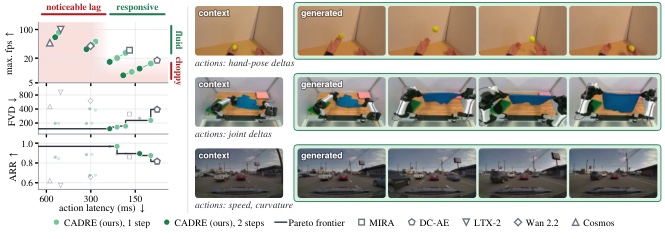
Kyutai CADRE: cutting action lag in AI world models
Kyutai has released CADRE, open video autoencoders built so interactive world models react in under 230 ms on one GPU. The paper shows why borrowing a text-to-video autoencoder makes every key press feel late.
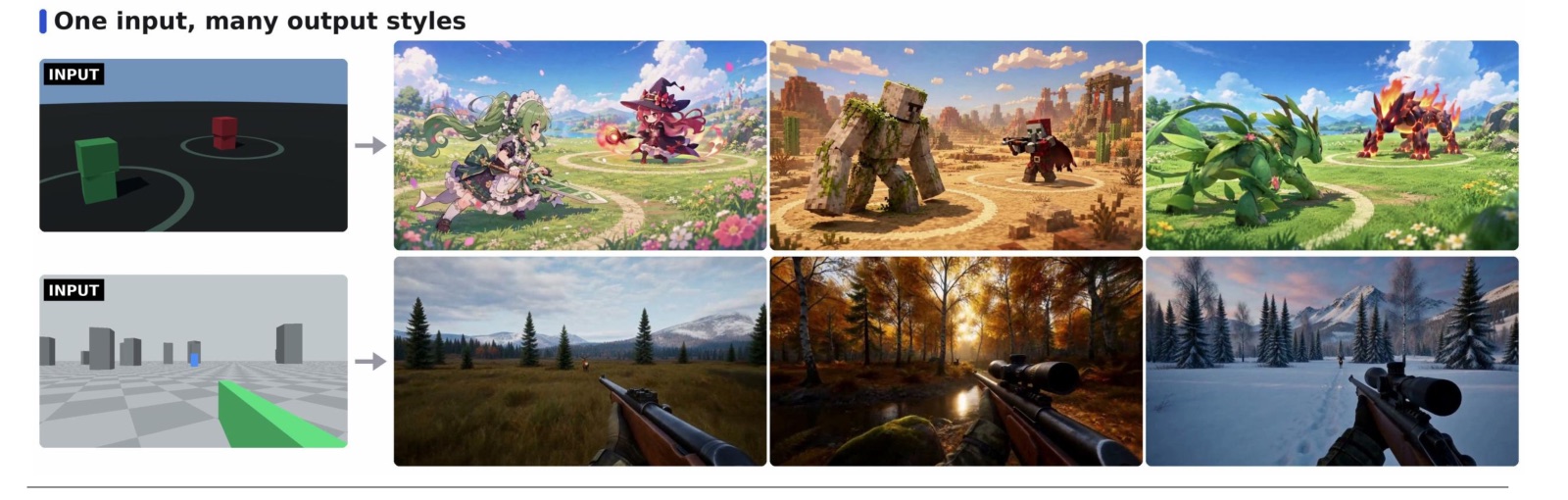
AnyGameRenderer turns greybox games into finished visuals
Alaya Lab's AnyGameRenderer re-renders crude gameplay video in any prompted style while keeping every character where the game put it. A new entity-level benchmark shows how often such renderers still get it wrong.

The rise of generative universes
Calling the next medium a 'game generator' fixes it to one format just as AI is breaking formats apart. Omni models and generative universes point to something broader: the Story Generator.
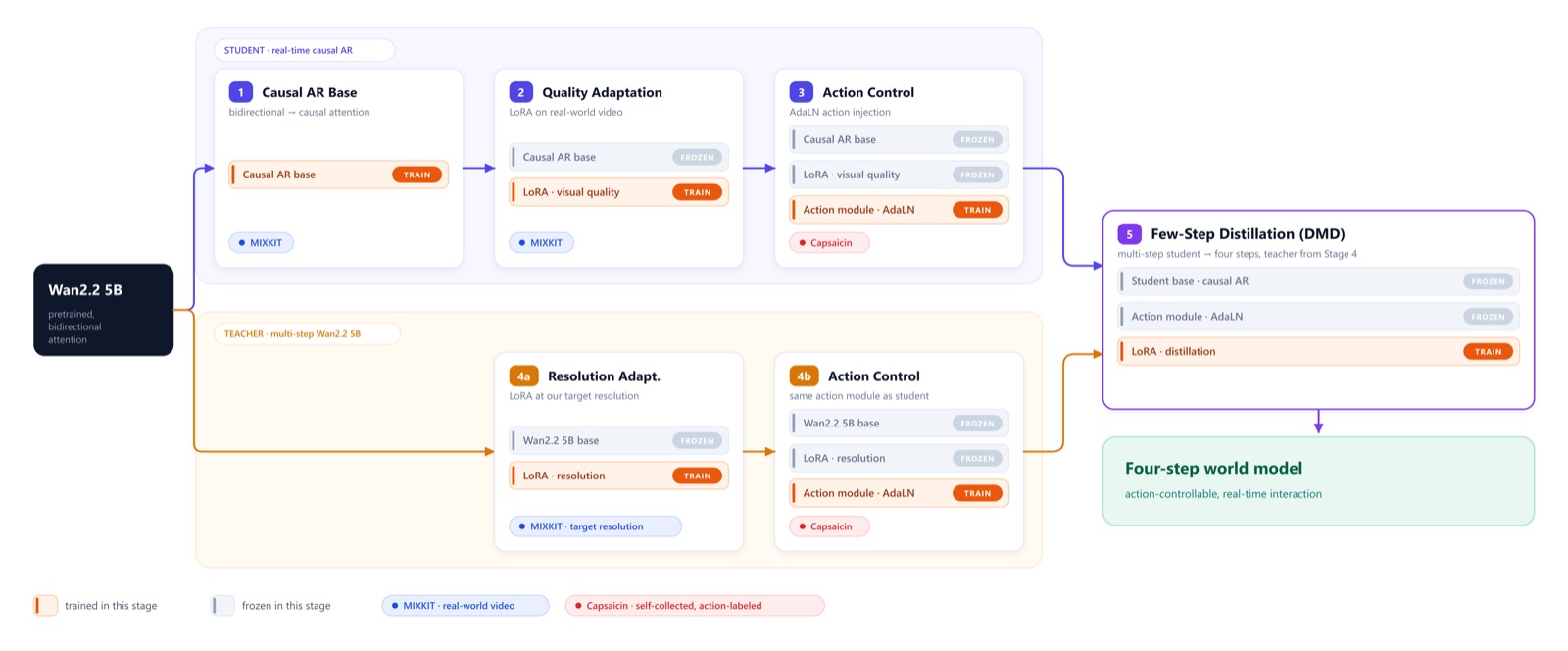
AMD's Micro-World 2: an open real-time world model
AMD has released Micro-World 2, a 5B-parameter interactive world model that streams video at over 30 frames per second on one Instinct MI350X GPU. The weights, dataset and training code are all public.
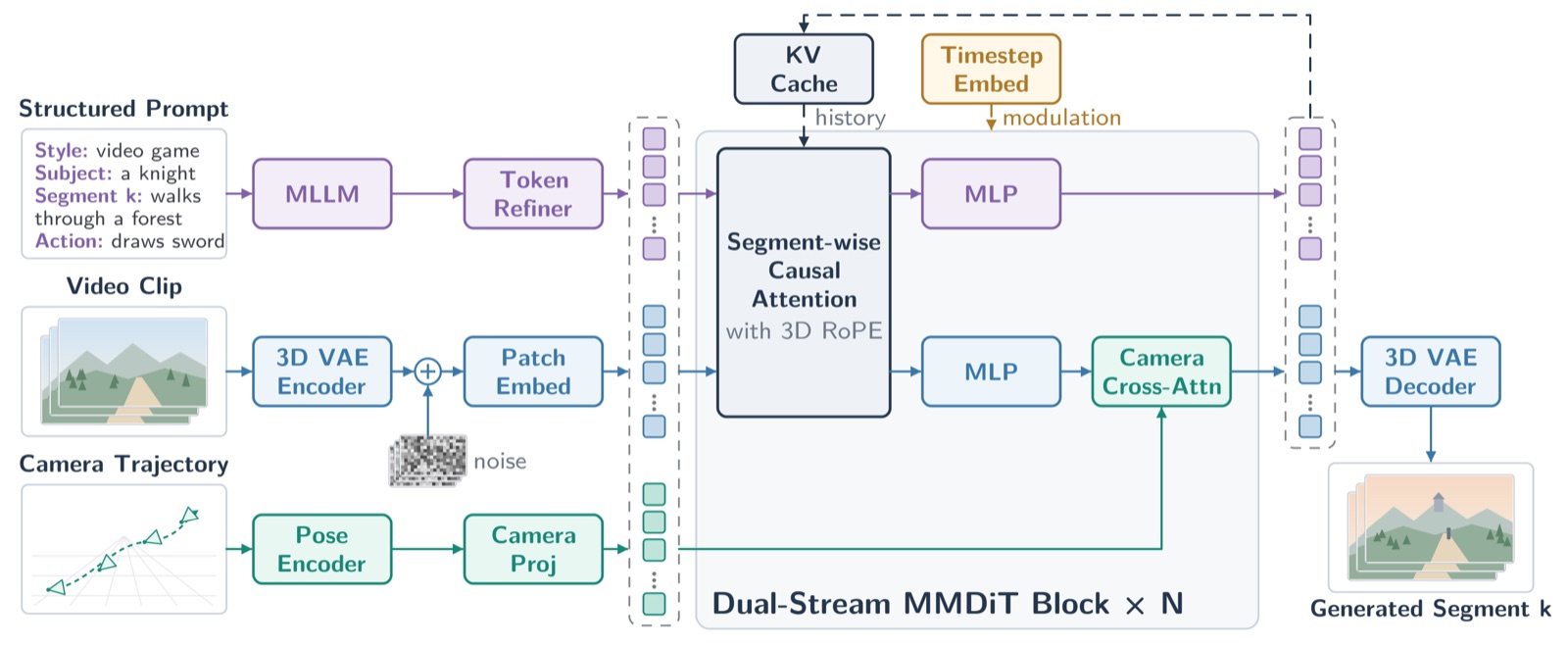
Tencent open-sources Hy-Nomas, a steerable world model
Hy-Nomas generates a video world one segment at a time, steered by text and camera moves, with Apache 2.0 weights and a single-RTX 4090 mode. It is a useful look at how open world models handle memory and control.

Who writes the story? Authorship in AI interactive storytelling
When a model performs a story live and every player gets a different version, who is the author? We think the answer is still the writer, and that this shapes how AI stories should be built.

How AI world models work, and why games care
A world model predicts what happens next in a scene, frame by frame, as you act. Here is how the main designs work, where they fail, and what they mean for anyone building interactive worlds.

Memory is the new save file: how AI game worlds remember you
A world that talks back is impressive. A world that remembers what you did last week is something else. Memory is the quiet system that decides whether AI characters and stories feel alive.
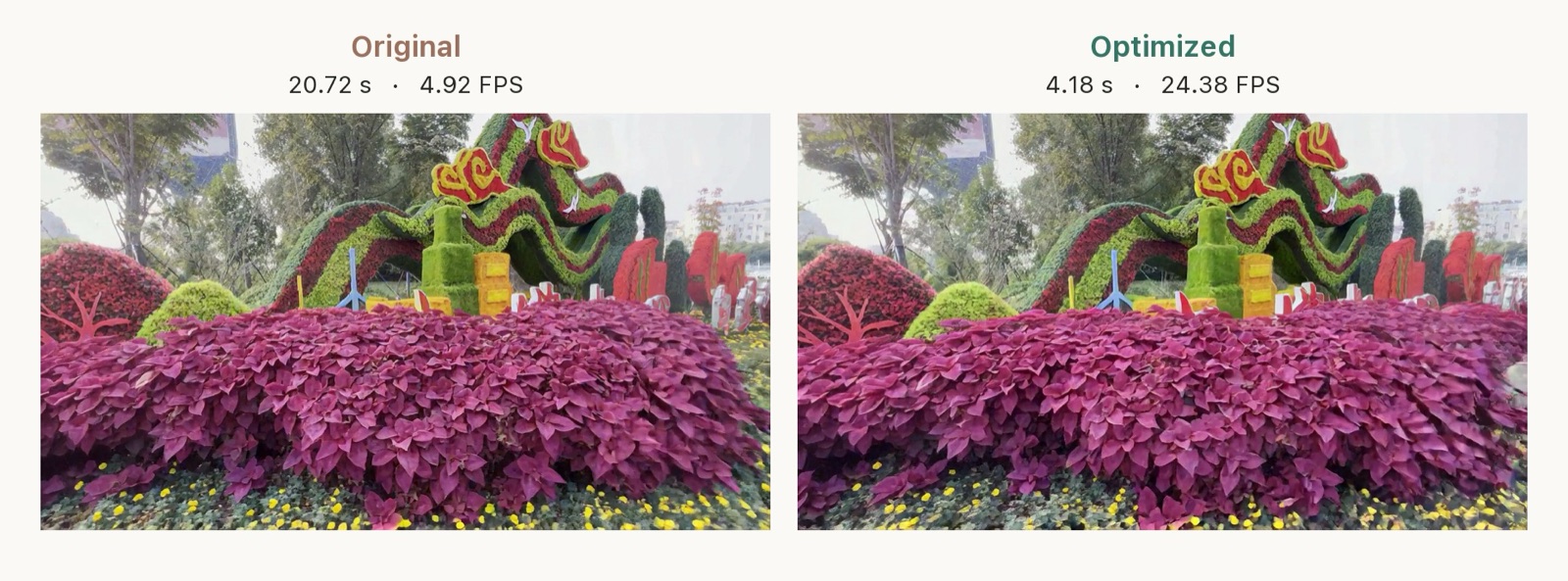
SolarWM H3 Realtime makes a world model respond in 0.58 seconds
The SolarX team's engineering write-up shows how compilation, CUDA graphs and a streaming decoder took an open world model from 4.92 to 24.38 frames per second. The first frame after a keypress now arrives in about 0.6 seconds at the backend.

The engine is learning to dream: AI models as game generators
For forty years a game engine has drawn what a designer placed. The next generation will draw what a player imagines. That changes who makes games, and what a game is.
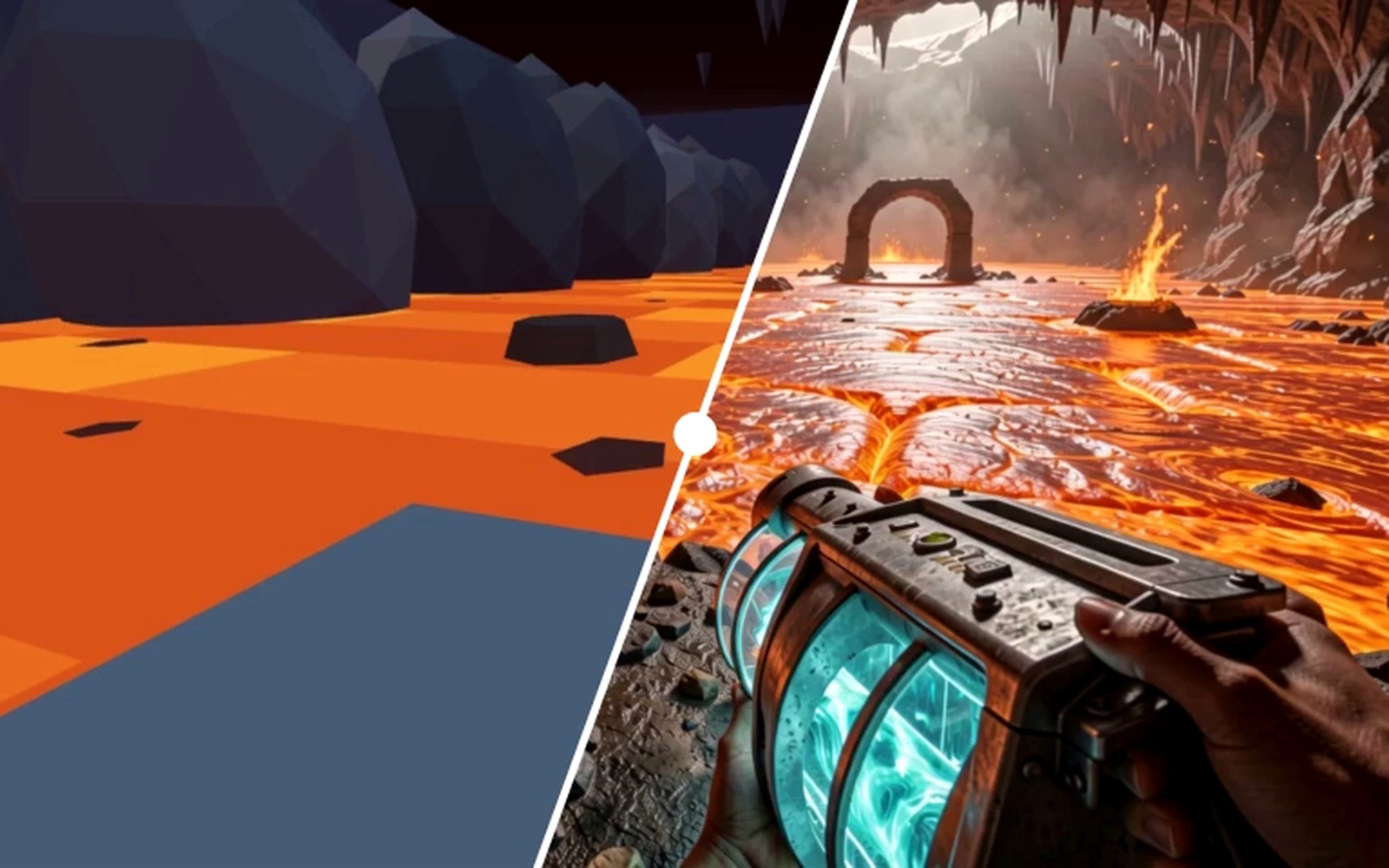
EdenLive: open-source real-time generative renderer for games
VAST, the company behind Tripo, has open-sourced EdenLive, a model that turns rough greybox game footage into detailed video at 24+ frames per second. The game engine keeps the rules; the model only paints the picture.
Viggle JST-2: a world model built in 3D, not pixels
Viggle's JST-2 generates an explorable 3D scene in about a second by modelling the world as persistent atoms rather than video frames. It also makes characters with motion built in, which matters for anyone building interactive worlds.
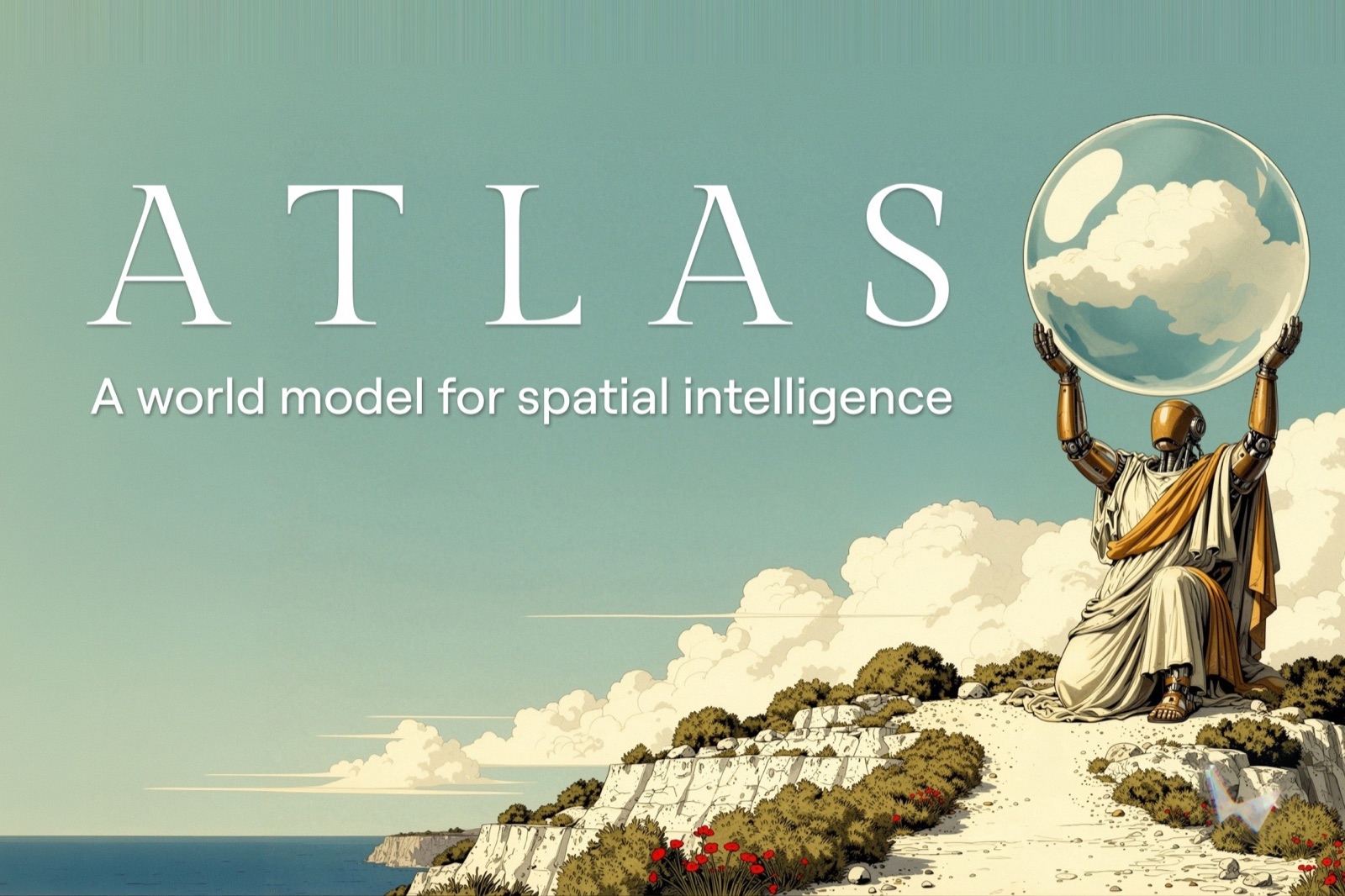
World Labs, Atlas and AMD: spatial intelligence becomes infrastructure
World Labs has opened its Atlas world model to early partners and agreed to be acquired by AMD for about $8.2 billion. For anyone building 3D worlds, the message is that world generation is becoming a platform layer.
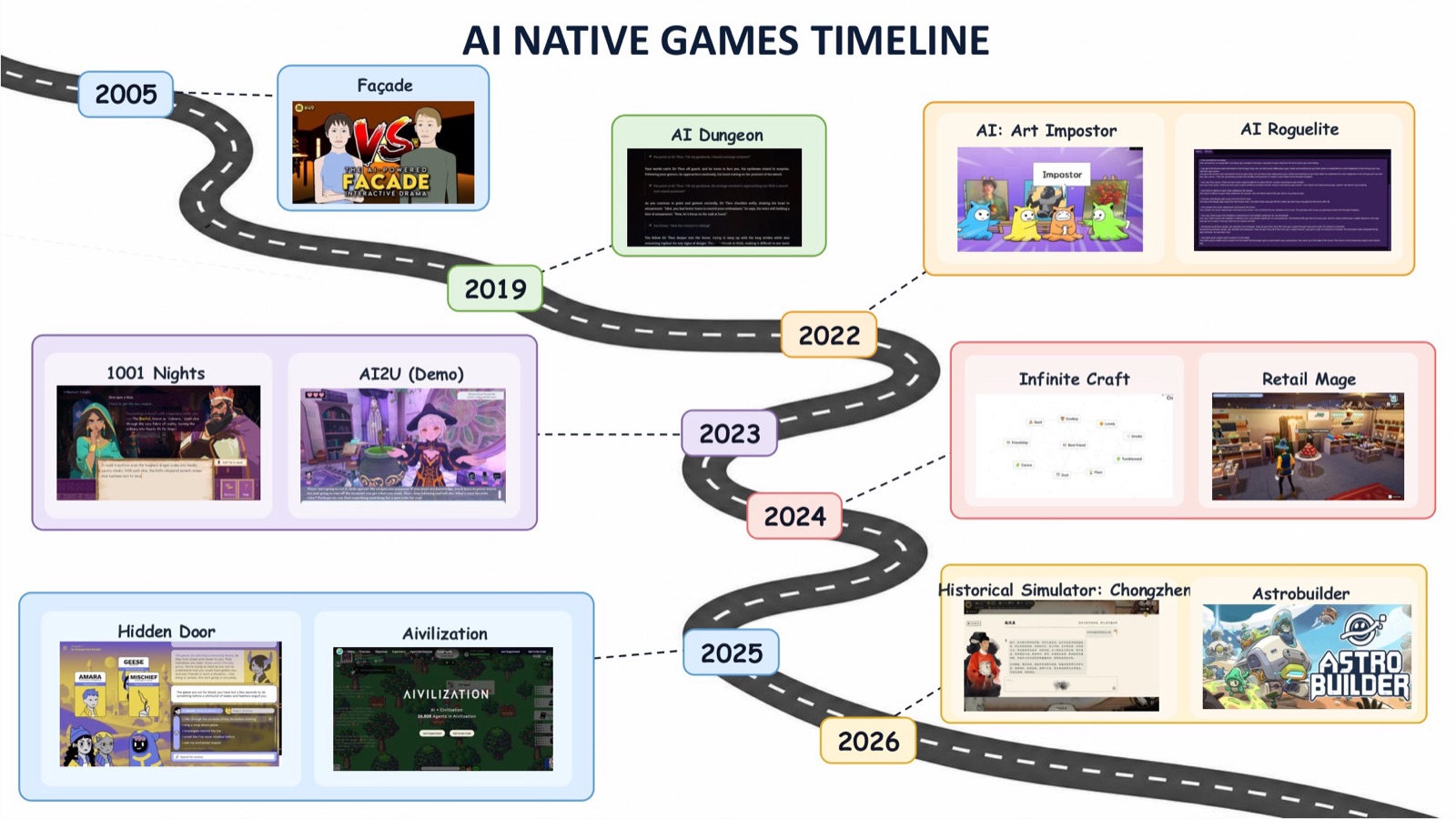
What makes a game AI-native? A new survey draws the line
Researchers reviewed 53 publicly available AI-native games and propose a simple test: if you removed the AI, would the core of play collapse? Their roadmap is a useful checklist for anyone building one.

FLUX 3 Max: fal's post-trained video model makes 10 seconds in 12
fal Research has post-trained Black Forest Labs' FLUX 3 video model into FLUX 3 Max, which it says ties for first in image-to-video quality while generating a 10-second clip in about 12 seconds. It is live on fal's API.
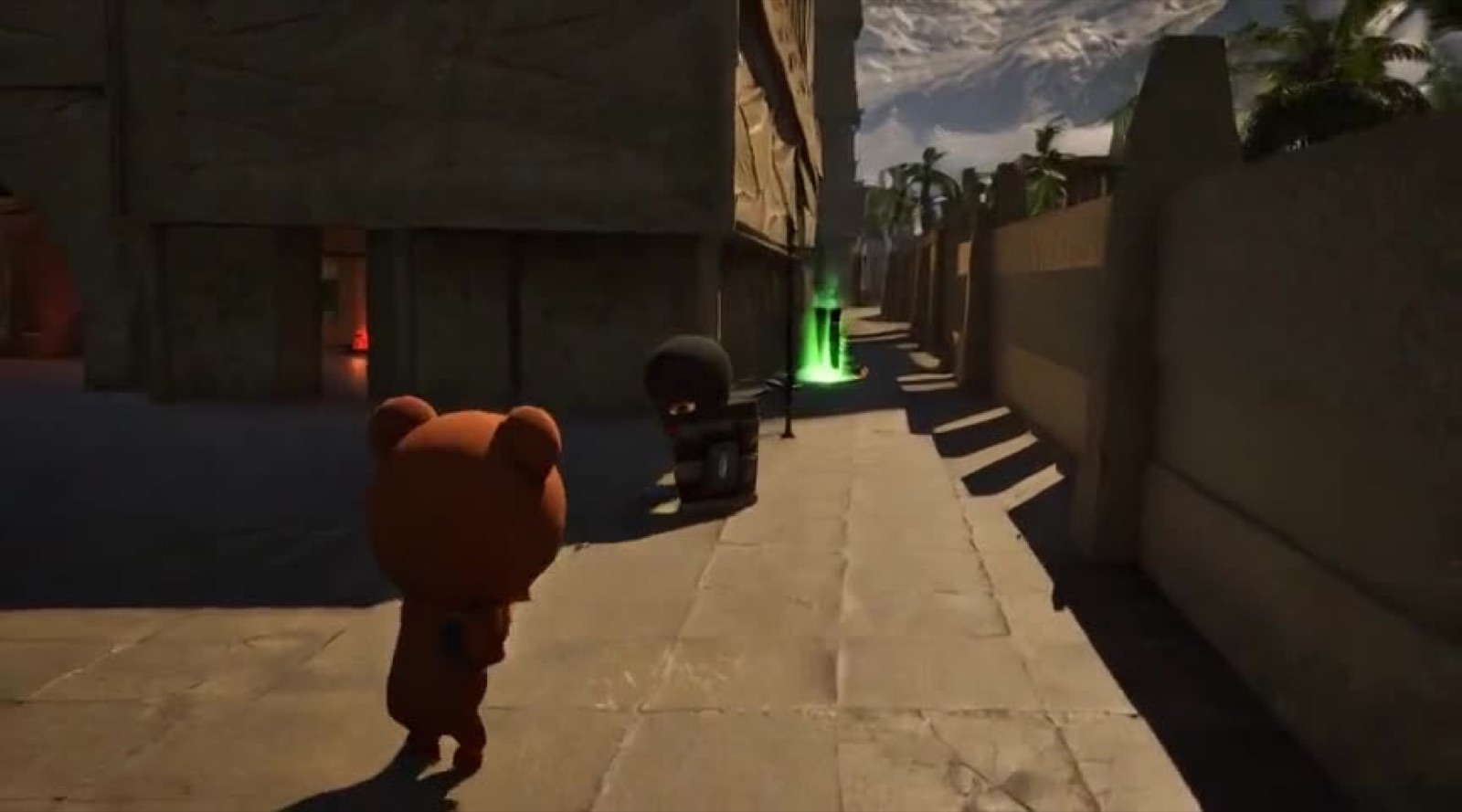
Matrix-Game 4.0: the game engine keeps the truth, the AI paints the world
Skywork's open-source release runs a playable generated game at 60 frames per second on a single RTX 5090. The trick is not a bigger model: it is letting ordinary game code own the rules.

The end of the dialogue tree: designing NPCs that actually listen
Non-player characters have spent decades waiting for you to pick option B. Language models let them hold a conversation. The hard part is giving them a reason to.
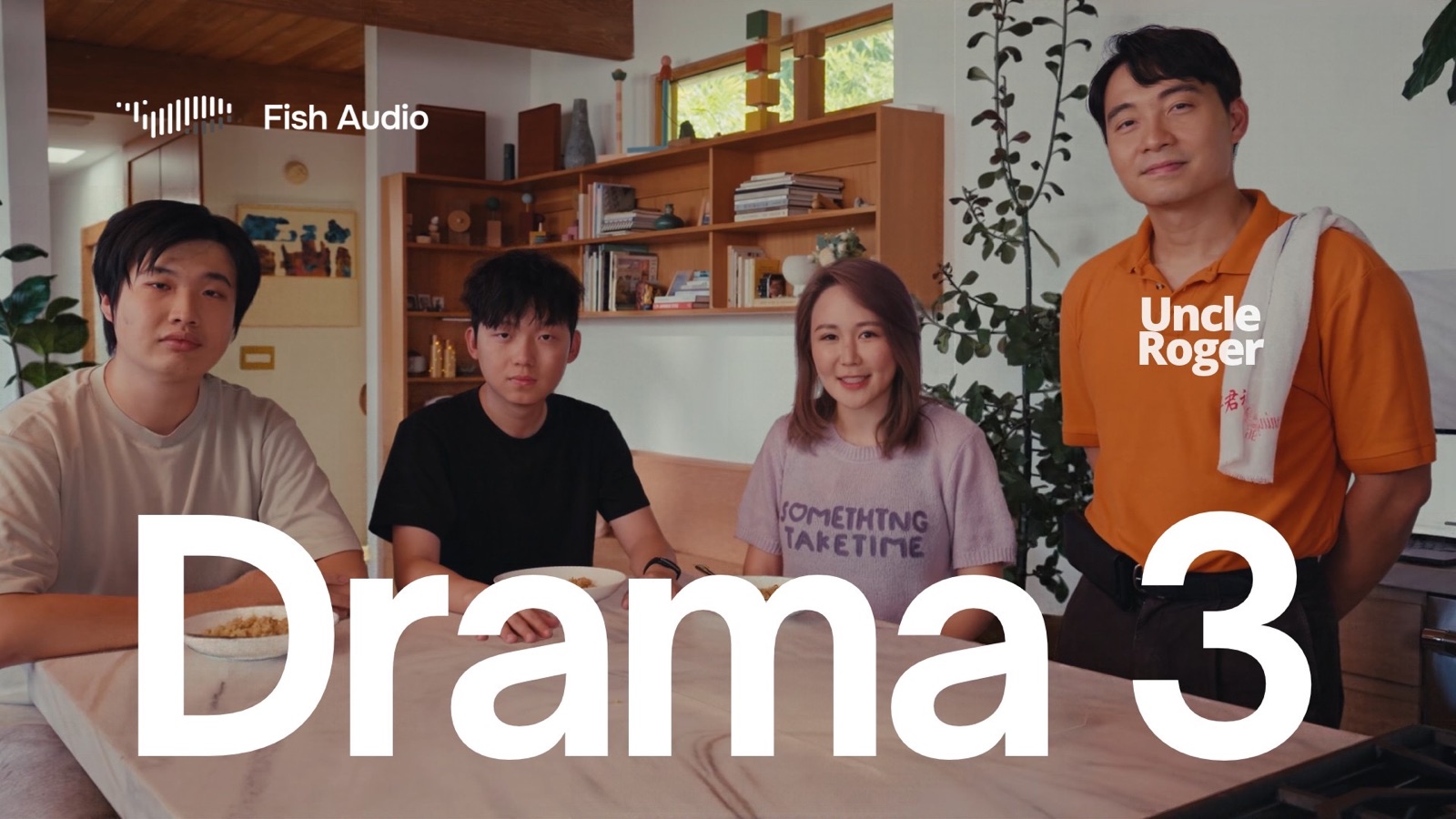
Drama 3: open-weight voice acting for games and interactive film
Fish Audio's new 35B text-to-speech model takes plain-language direction, voices up to 16 characters in one script and runs on your own hardware. It is the first open model that sounds like a cast rather than a narrator.
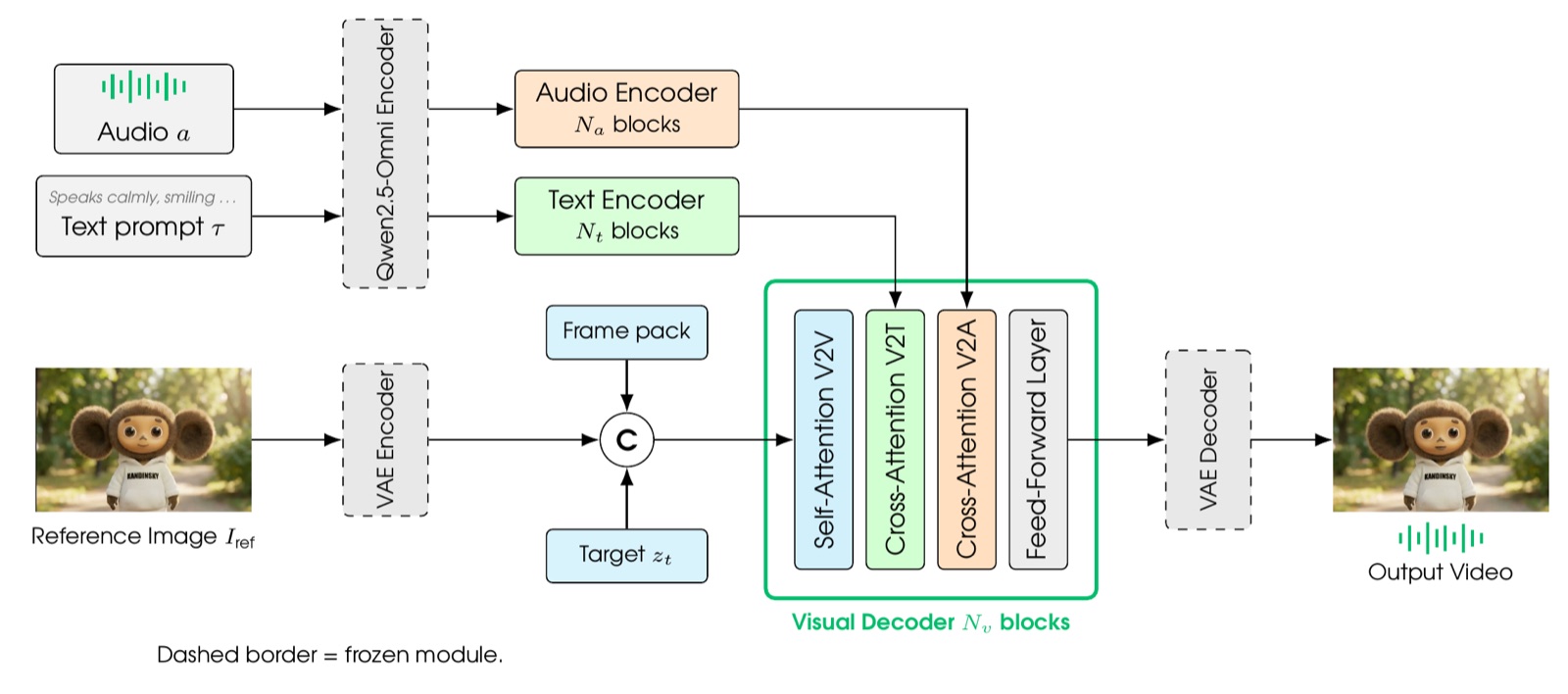
Kandinsky S2V 1.0: open speech-to-video avatar models
Sber's Kandinsky Lab has released Kandinsky S2V 1.0, a family of open models that turn one reference image and a speech track into a talking, gesturing video. The code and weights are MIT-licensed, with a 2B and a 21B version.
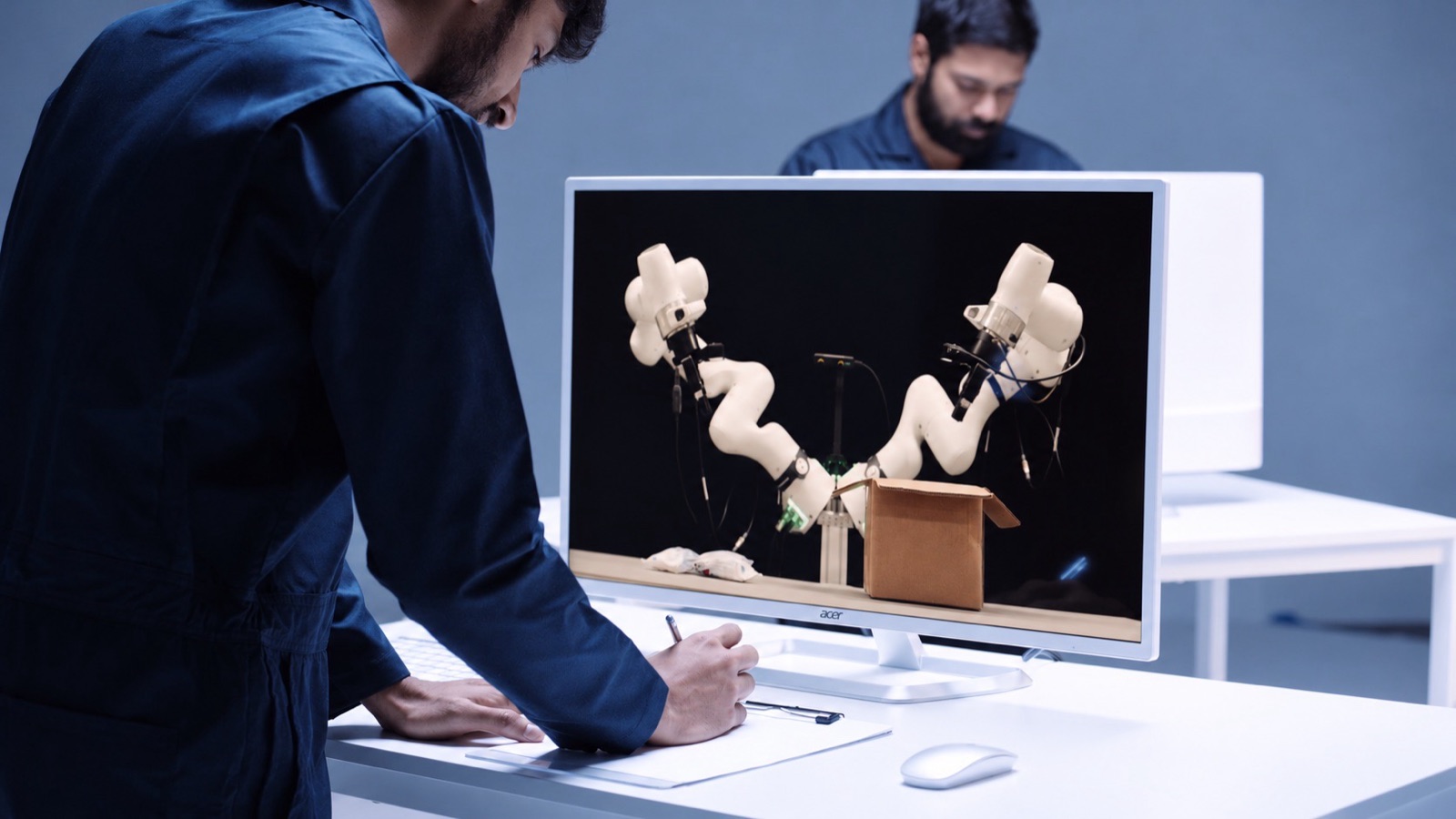
Odyssey-3 brings real-time physics to generated worlds
A 14-billion-parameter world model now turns a text prompt into an environment you can walk through, with objects that move and collide as you play. Here is what it changes for game makers.

Every viewer a different cut: the rise of generative interactive film
Branching films asked audiences to choose between scenes someone had already shot. Generative film can compose the scene after you choose. It is a new medium, and it needs a new grammar.
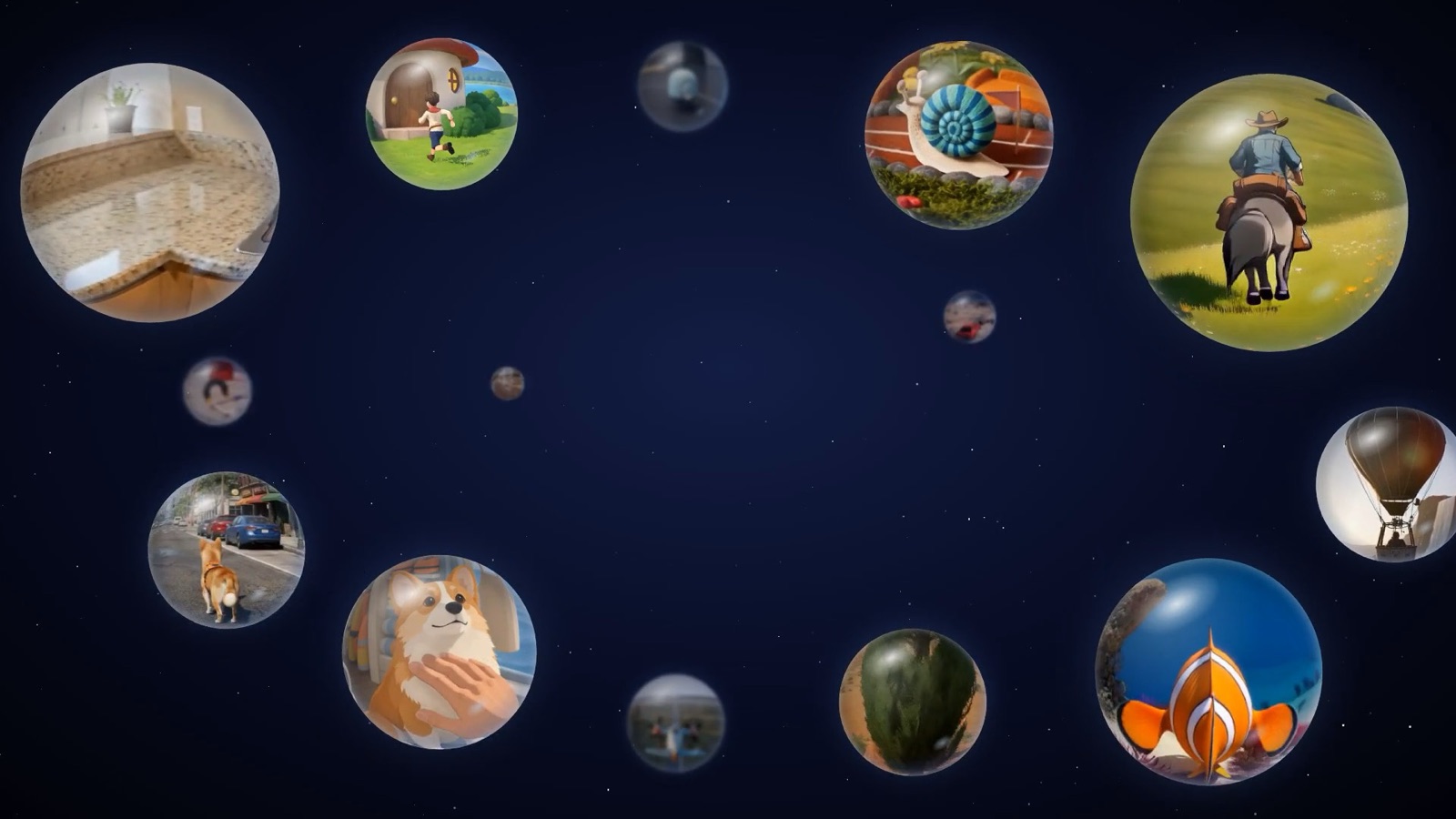
WorldPlay2 open-sources a playable world from a single image
New open weights turn one picture and a short prompt into a world you steer with a keyboard. It is a research release, but it shows how quickly interactive world models are becoming tools.
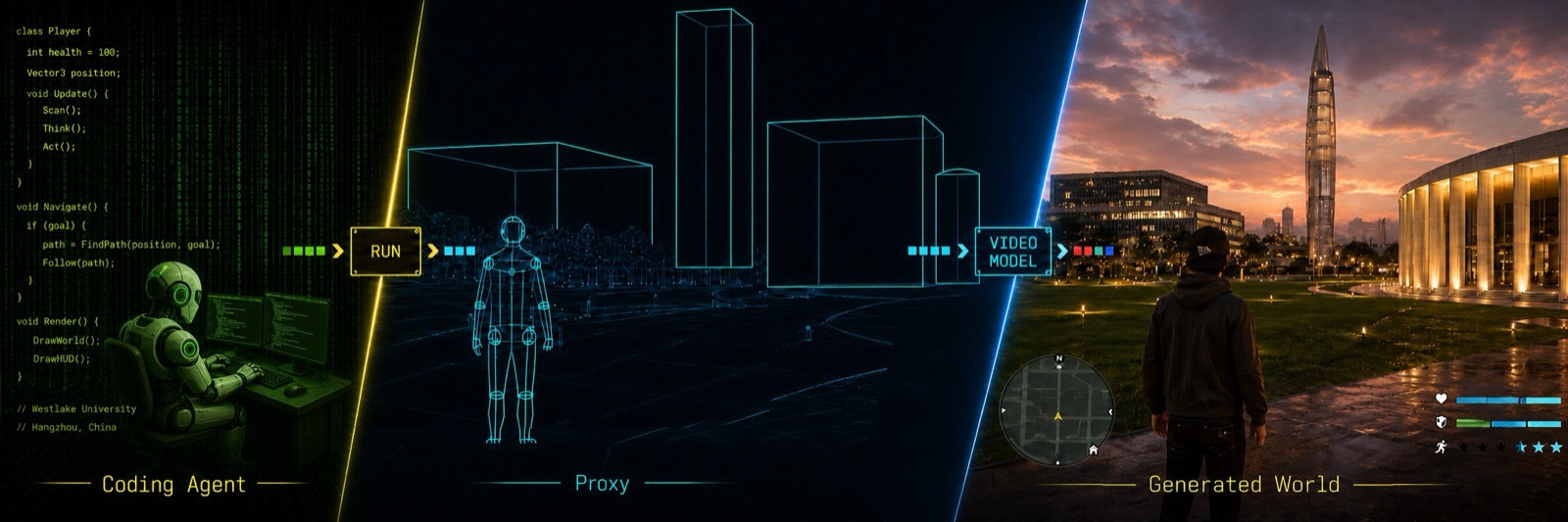
Streaming Code World Model: a coding agent as the brain of a world
An open research project makes Code World Model generate video chunk by chunk as the world unfolds. It is not real time yet, but it points at worlds whose rules are written and rewritten as code while you play.
Erato is now Montage: one app for Story Generators
Our interactive storytelling app has a new name. Erato and Muse are now one app called Montage, the story mode once called Montage is now Motif, and thousands of players on iOS and Android have one place to create and play.
Living worlds: why simulation is the next storytelling medium
The most compelling stories in games are increasingly the ones nobody wrote. Simulation, joined with generative models, turns worlds into places where stories grow on their own.

From shipped to alive: games as intelligent products
A game used to be finished the day it shipped. An intelligent game starts learning the day it launches. That changes how we design, measure and take responsibility for play.