Interactive storytelling
What is an AI drama manager? How games decide what happens next
An AI drama manager is the system that shapes pacing and plot in an interactive story. Here is how it works, from Left 4 Dead's Director to language-model worlds.
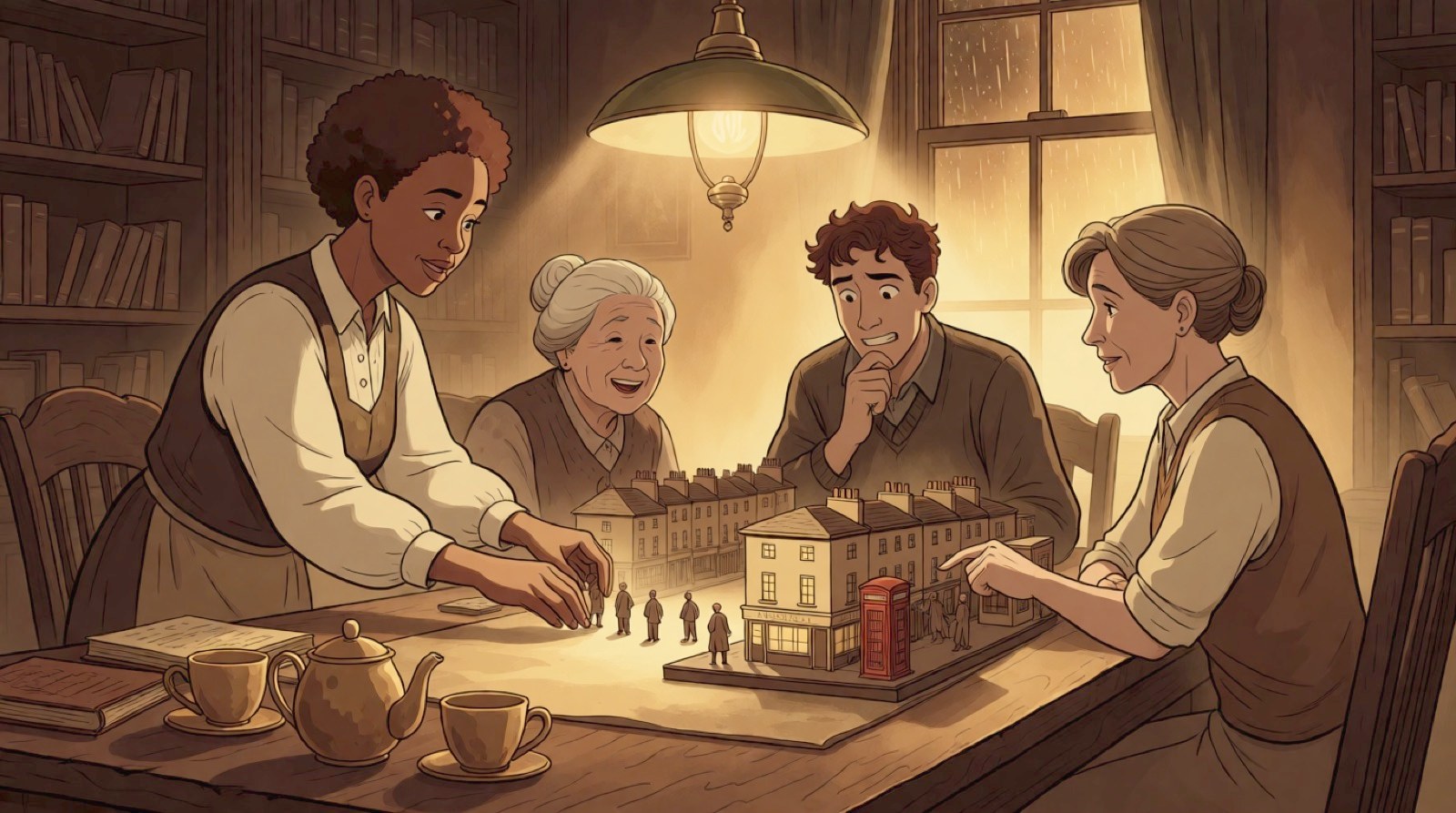
Every story has someone deciding what happens next. In a novel it is the author. At a tabletop roleplaying table it is the game master, who reads the room and decides whether this is the moment for a quiet scene or an ambush.
In an interactive story, nobody is sitting in the room. The player is free to act, and the story still has to feel like a story. The part of the system that makes that decision is called a drama manager. As AI models start generating characters, scenes and whole worlds, it is becoming the most important piece of design in the stack.
What is an AI drama manager?
A drama manager is software that watches an interactive experience as it unfolds and steers it towards a good story. It does not write every line or control every character. It decides which events should happen, when, and how intense they should be, based on what the player has just done.
Researchers Mark Riedl and Vadim Bulitko describe the wider field in their survey of interactive narrative in AI Magazine. The goal, as they put it, is to immerse the user in a virtual world so that they believe they are an integral part of an unfolding story and that their actions can significantly alter its direction or outcome. Their article reviews about 20 years of research into how artificial intelligence can make that possible.
That goal contains a tension. If the player’s actions truly matter, the story can go anywhere. If the story must stay good, it cannot go just anywhere. A drama manager lives in the gap between the two.

Continue reading for free
The rest of this piece is free with a Montage account. One account opens every essay, report and the full manifesto.
Create a Montage accountAlready have an account? Sign in