Image models
Luma Character Sheet: consistent characters from references
Luma's Character Sheet tool turns reference images or a written design into one multi-view sheet, and the same workflow now runs inside Claude through Luma's MCP connector. The aim is a character who stays the same across angles, outfits and scenes.
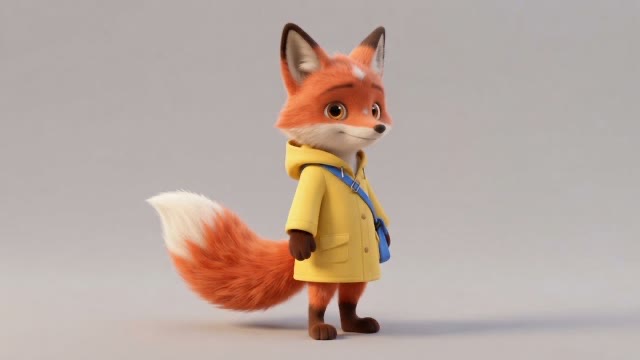
On 4 November 2026 Luma posted about Character Sheet: “Once you’ve got the character right, the next view shouldn’t turn them into someone else.” The tool turns your references into one consistent sheet you can keep working from.
What it does
Luma’s solutions page describes Character Sheet as a way to “create a consistent multi-view character sheet from references or a written design”. The plugin page shows examples of the layouts it can produce, labelled Essential, Turnaround, Vertical, Expanded, Signature, Dossier, Lookbook and Study board, each starting from a single source image.
Luma also published a version of the workflow for Claude. Through Luma’s MCP connector, or the /luma:character-sheet command in Claude Code, the assistant:
- writes a one-line description of the character, including colours and one distinctive detail worn or carried;
- makes one anchor reference image and checks it against that description (you can ask for several candidates);
- plans the angles, outfits and scenes you want together;
- makes every other view as an edit of the anchor, which Luma says is what keeps the face, fur and details the same;
- returns all the views plus the image ids, so Luma’s short-film and hook workflows can start from them.
The example set on the page runs from front and three-quarter to side, back and a winter outfit.
Access and limits
In Claude, the work is charged to your Luma credits “at the same prices as on luma.ai”, and you connect Luma to Claude once by signing in. Luma’s pages do not give a price per sheet, so we cannot quote one. The image assets on the MCP page carry a 1 October path, so the Claude workflow may predate the 4 November post; the post is the date we can confirm.
Our take
Character consistency is the dull, essential problem in any generative world: a recurring character has to be recognisable on screen in scene forty, not only in scene one. Building every view as an edit of one anchor image is a sensible way to get there, and it mirrors how we think about canon in a story: one source of truth, many appearances. The same principle applies to a character’s behaviour, which we look at in memory in AI games.