Memory
Memory is the new save file: how AI game worlds remember you
A world that talks back is impressive. A world that remembers what you did last week is something else. Memory is the quiet system that decides whether AI characters and stories feel alive.
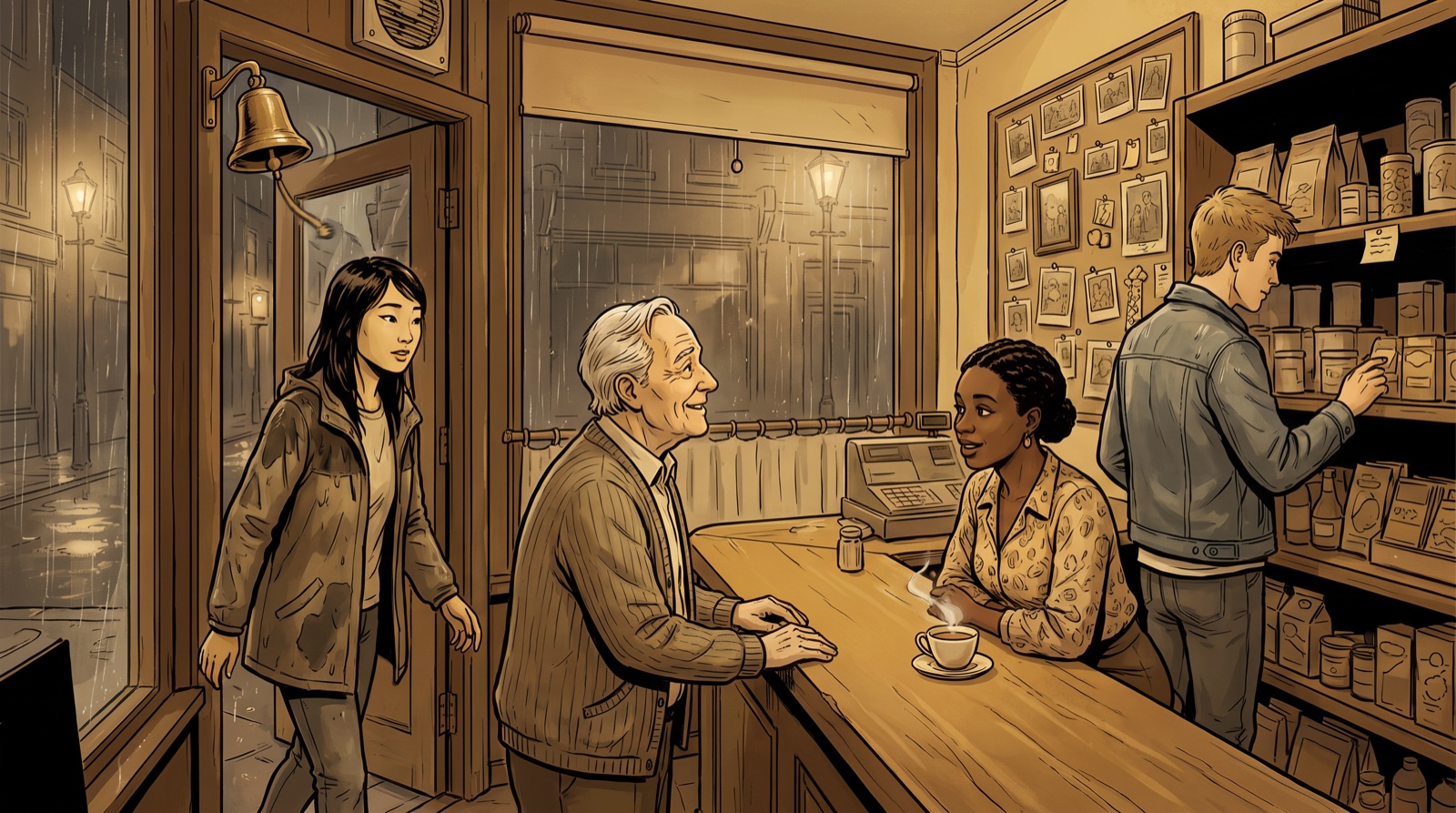
For forty years a save file has been the memory of a game. It records a position, an inventory, a handful of flags: door opened, boss defeated, quest complete. Everything else the world forgets the moment you look away. The shopkeeper who sold you a sword will sell you another with the same greeting, as if you had never met.
AI characters change what players expect. Once a character can respond to anything you say, players assume they will also remember it. When they do not, the illusion breaks faster than it ever did with a scripted character, because the gap between how clever they seem and how little they retain is so wide.
Memory is becoming one of the most important systems in AI games, and one of the least discussed.
Why a bigger context window is not the answer
The obvious fix is to give the model everything: every conversation, every action, all of it pasted into the prompt. It does not work for long. Costs rise with every session, responses slow down, and models get worse at finding the detail that matters when it is buried in thousands of irrelevant ones. A character who technically has access to everything you ever said can still forget your name.
People do not remember like that either. We forget most of what happens to us. What we keep is selected, compressed and coloured by how we felt about it. Good game memory works the same way.
Three kinds of memory a world needs
In our work we separate memory into three layers, each with its own job.
1. Canon: what is true. The authored facts of the world and its characters. This never changes because of play, and it always wins. We wrote about why in Who writes the story?.
2. State: what has happened. The consequences of play, stored as structured data a designer can inspect: this character now distrusts you, that bridge is down, you owe the landlady two weeks’ rent. State is how a world keeps promises. It is small, exact and cheap to check.
3. Recollection: what it felt like. Short summaries of moments that mattered, written from a character’s point of view. She lied to me about her brother. She came back for me when the others ran. These are what let a character bring something up unprompted, weeks later, in their own words.
State makes the world consistent. Recollection makes it personal.
Choosing what to remember
The hard design problem is not storage, it is selection. A useful rule is to remember what changed a relationship, a place or a plan, and to let the rest fade. A conversation about the weather can go. The night you were caught stealing cannot.
Characters should also remember differently. A gossip remembers everything and repeats it. A soldier remembers who stood with him. A grieving parent remembers one evening and nothing else. Giving each character their own sense of what is worth keeping does more for believability than giving any of them perfect recall. We explored the same principle in The end of the dialogue tree: characters feel real when they have their own reasons.
Memory and the world, not just the cast
Memory is not only for characters. A living world needs it too. The district where you started a fire should look different next month. The rumour you started should have travelled. If the world keeps running while you are away, it needs to remember what you set in motion, or there is nothing for it to continue.
This is where memory and simulation meet. State records the facts, the simulation moves them forward, and recollection lets the people living there talk about it.
Forgetting on purpose
Players also need the right to be forgotten, in both senses. Sometimes a story is better when a character lets something go: forgiveness is a memory decision. And players should be able to see and reset what a game has kept about them, especially when conversations are open-ended and personal. Memory that players trust is memory they will invest in.
The save file, reimagined
The save file is not going away. It is turning into something richer: a record not just of where you are, but of who you have been to the people around you. Games that get this right will feel less like levels and more like places you return to, where someone looks up when you walk in and says, you again. For where this leads for games as products, see From shipped to alive.